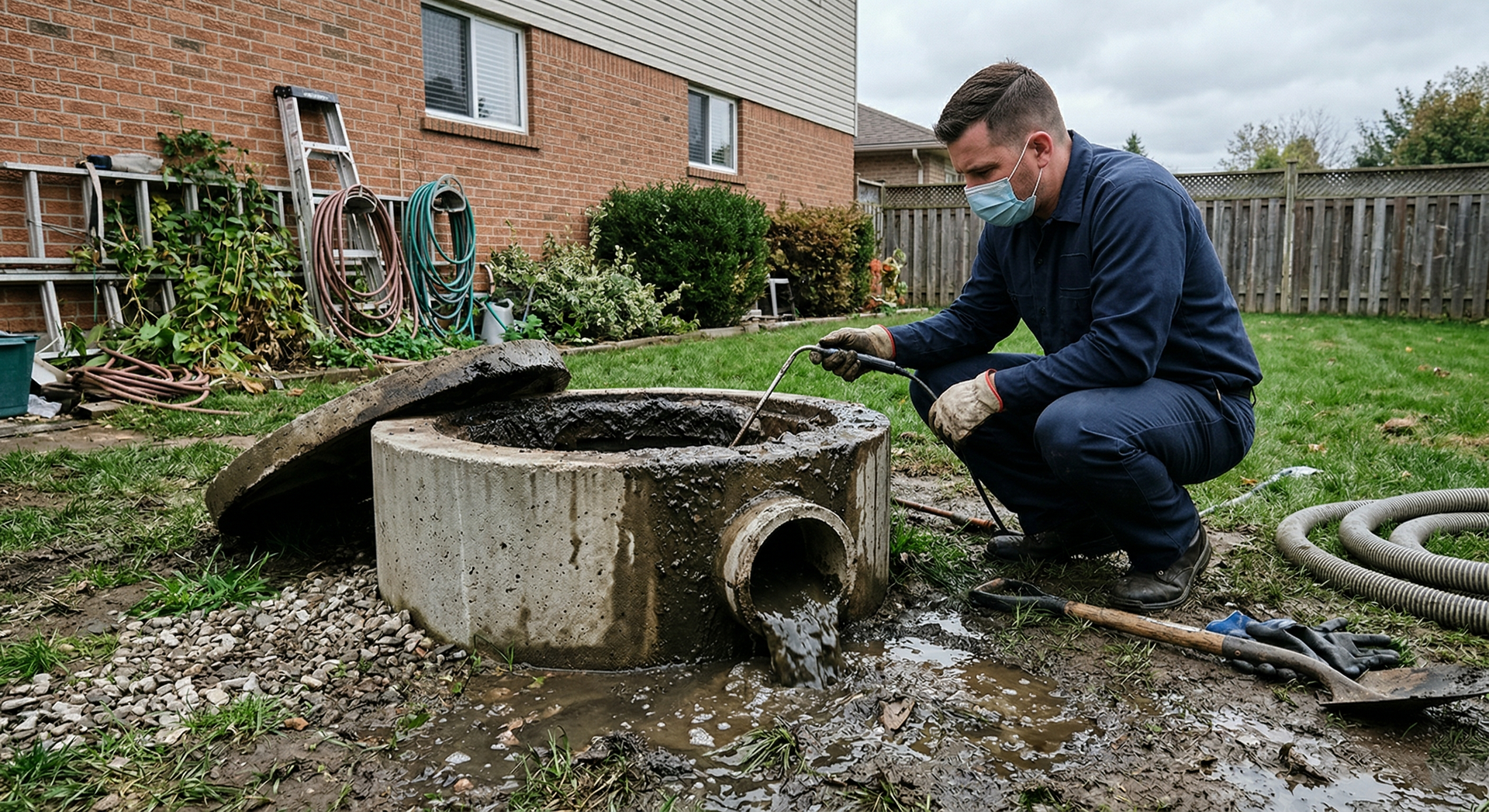
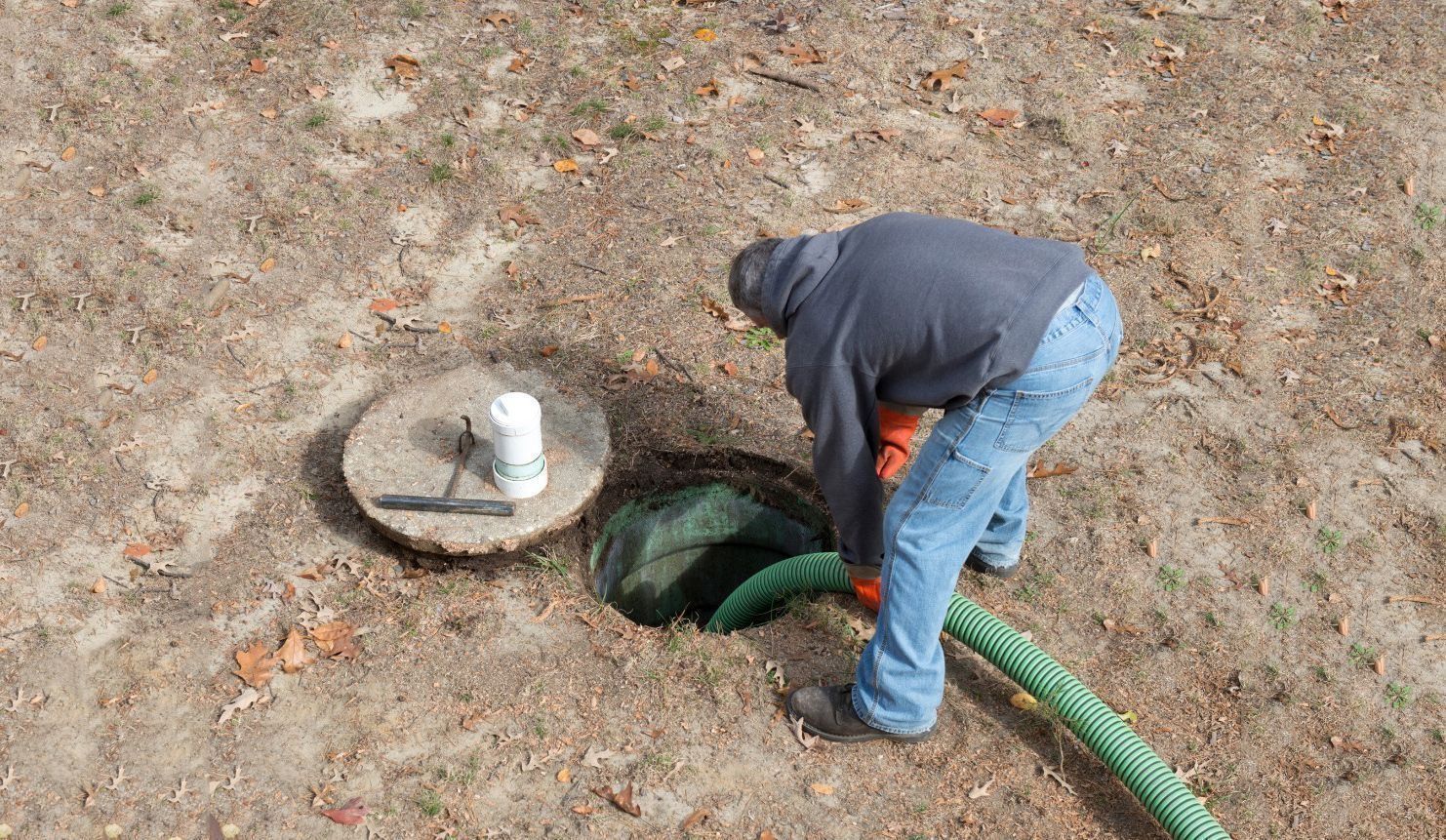
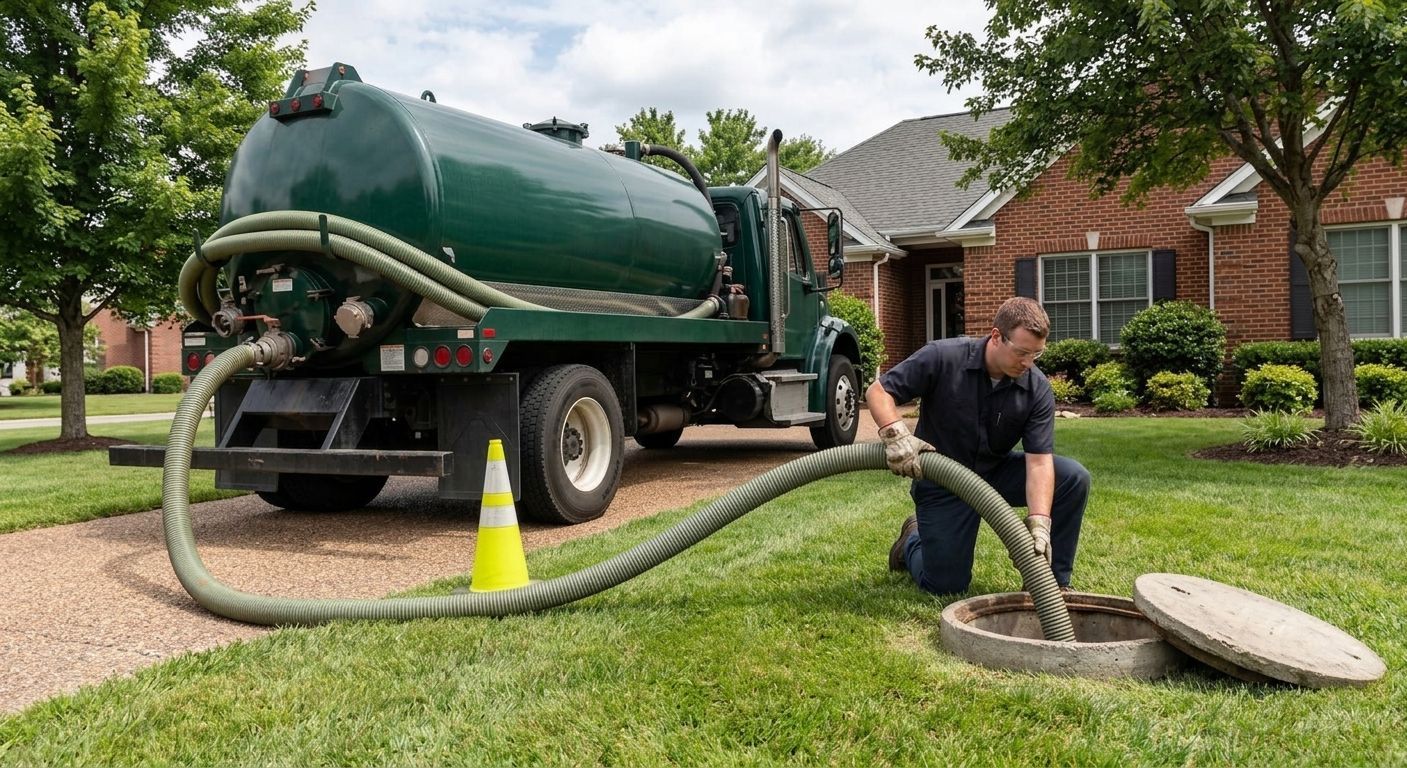
The Complete Guide to Septic System Maintenance in Texas
Everything You Need to Know About Septic System Maintenance in Texas

If you own a septic system in Texas, proper maintenance is one of the most important responsibilities you have as a homeowner. A well-maintained system can last 20 to 30 years or more, while a neglected system can fail in less than a decade — leading to expensive repairs, environmental hazards, and major disruptions to your home.
So what does proper septic maintenance actually involve? The short answer: routine pumping, smart usage habits, and regular inspections. But to truly protect your investment, you need a deeper understanding of how your system works and what it needs over time.
At Frank’s Septic & Pumping, we’ve been helping homeowners across Central Texas maintain and extend the life of their systems since 2008. This guide covers everything you need to know — from maintenance schedules to expert tips — so you can avoid costly problems and keep your system running efficiently.
Why Septic System Maintenance Is So Important
Your septic system quietly handles all wastewater from your home — including sinks, toilets, showers, and laundry. Over time, solid waste builds up in the tank, and if it isn’t removed, it can overflow into the drain field or back into your home.
Proper maintenance helps you:
- Prevent sewage backups inside your home
- Avoid expensive repairs or full system replacement
- Extend the lifespan of your septic system
- Protect groundwater and the environment
- Stay compliant with Texas regulations
In short, maintenance is the difference between a system that lasts decades and one that fails prematurely.
How Often Should You Maintain Your Septic System?
Conventional Septic Systems
Most conventional systems require:
- Pumping every 3 to 5 years
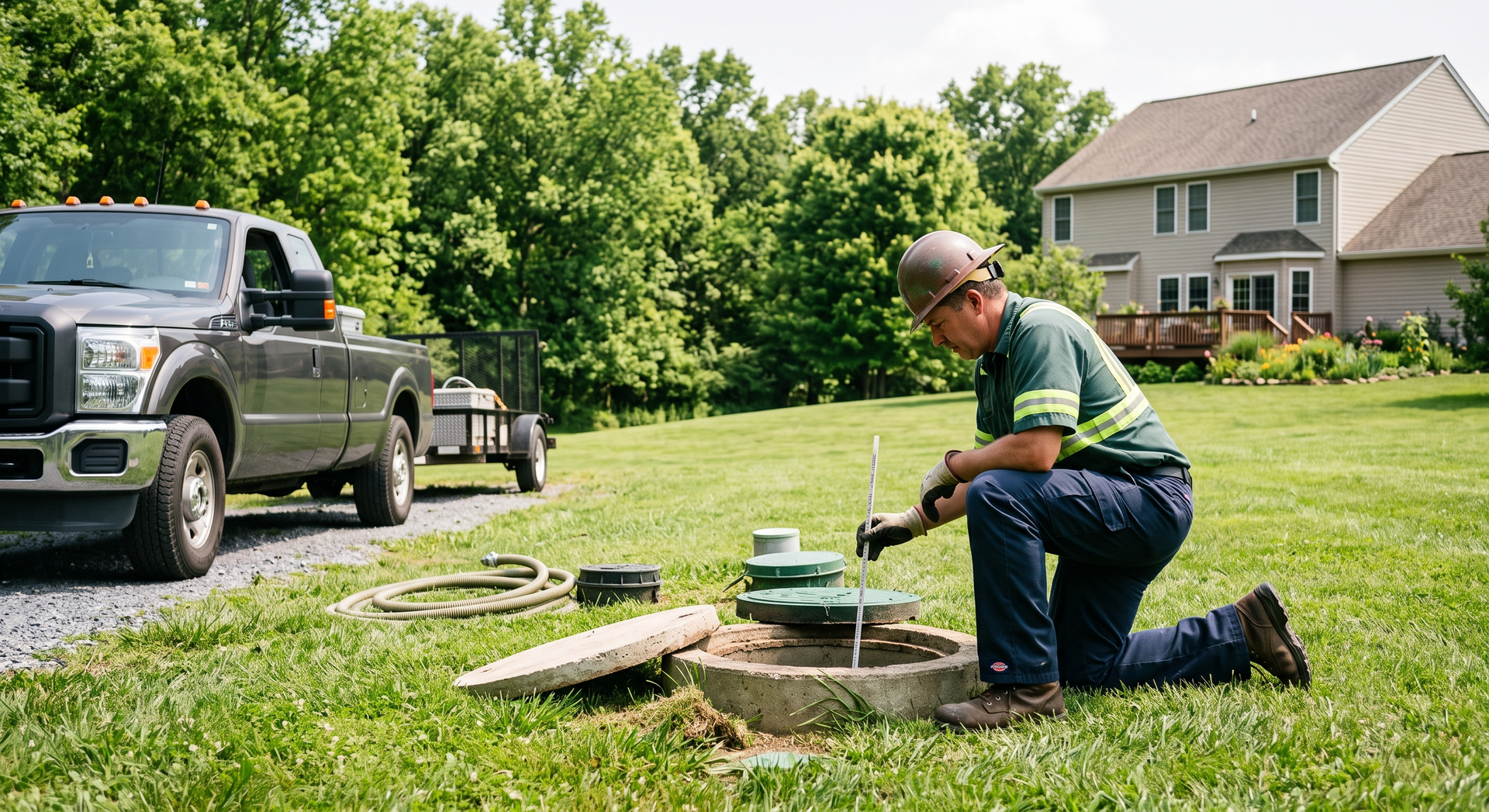
- Occasional inspections based on usage
However, homes with larger families or higher water usage may need more frequent service.
Aerobic Septic Systems (Texas Requirements)
Aerobic systems require more attention due to their mechanical components.
Texas law requires:
- Inspections every 4 months (3 times per year)
- A maintenance contract with a licensed provider
Additional maintenance includes:
- Chlorine or disinfectant refills
- Monitoring pumps and aerators
- Cleaning filters and spray heads
Failing to maintain an aerobic system can result in fines, system failure, or environmental violations.
Understanding Your Septic System Components
To properly maintain your system, it helps to understand how it works.
Septic Tank
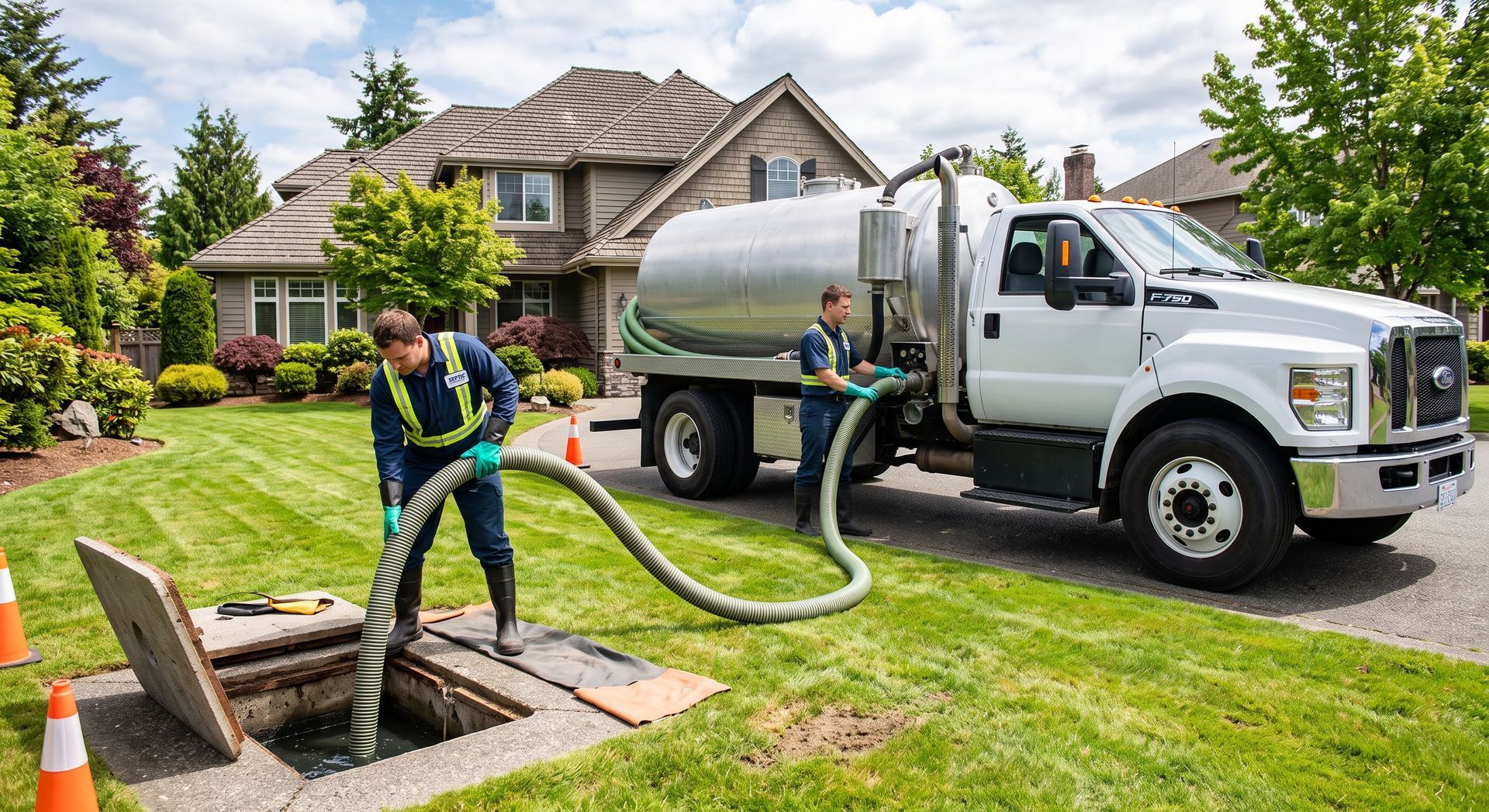
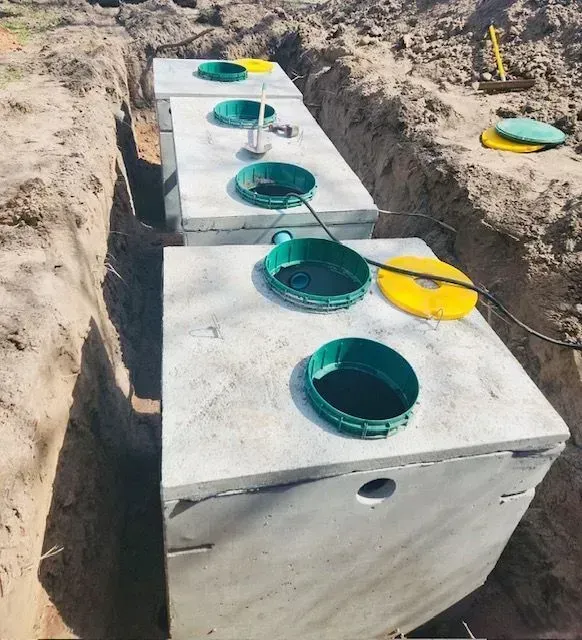
The tank separates solids from liquids. Solids settle at the bottom (sludge), while lighter materials float to the top (scum). Regular pumping removes this buildup.
Drain Field (Leach Field)
The drain field disperses treated wastewater into the soil. If it becomes clogged or saturated, the system can fail.
Aerobic System Components
If you have an aerobic system, it includes:
- Aerator (adds oxygen to break down waste)
- Pump tank
- Spray heads or drip lines
- Control panel and alarm system
Each of these components must be maintained to ensure proper operation.
Essential Septic Maintenance Best Practices
1. Stick to a Pumping Schedule
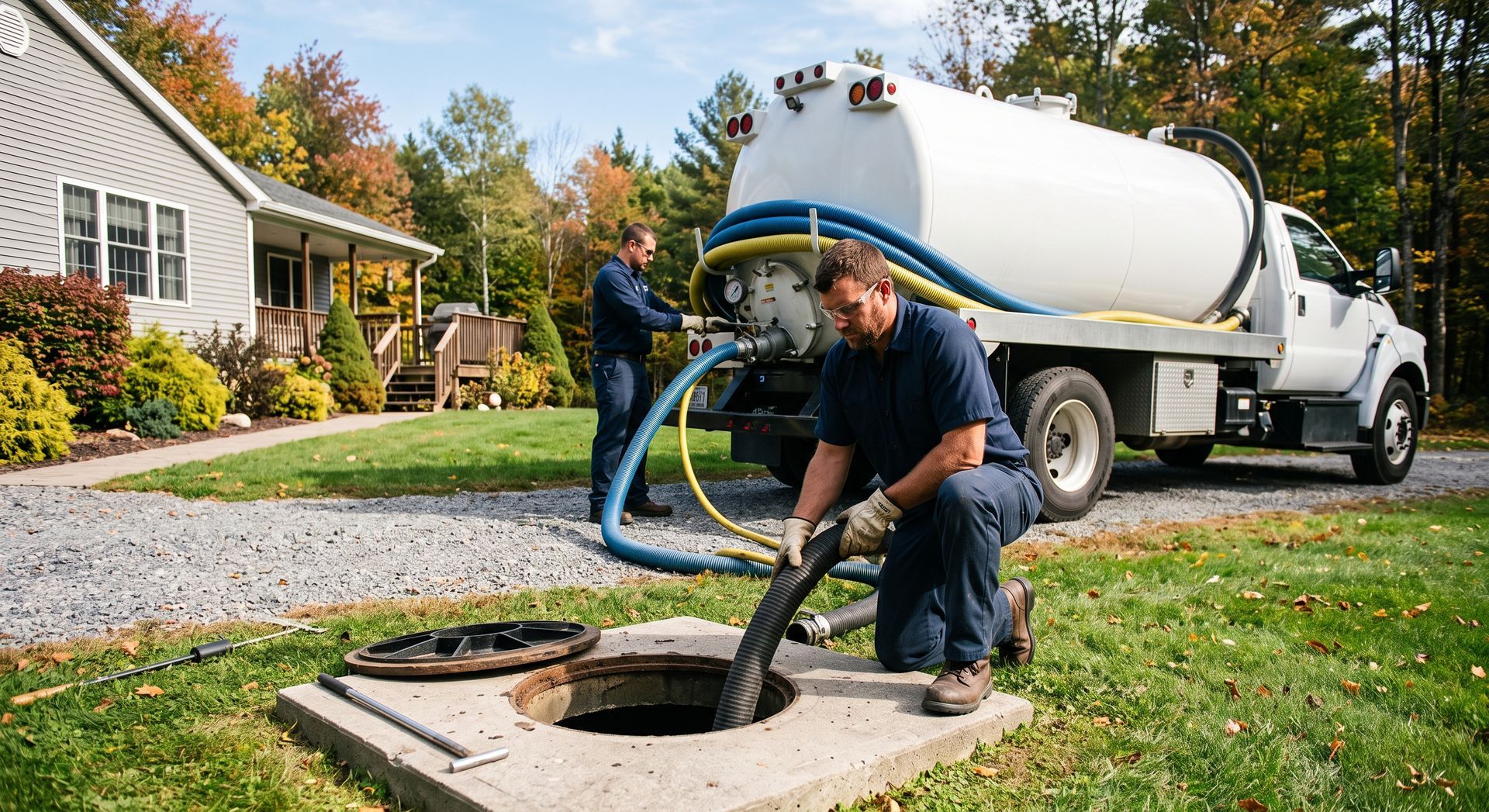
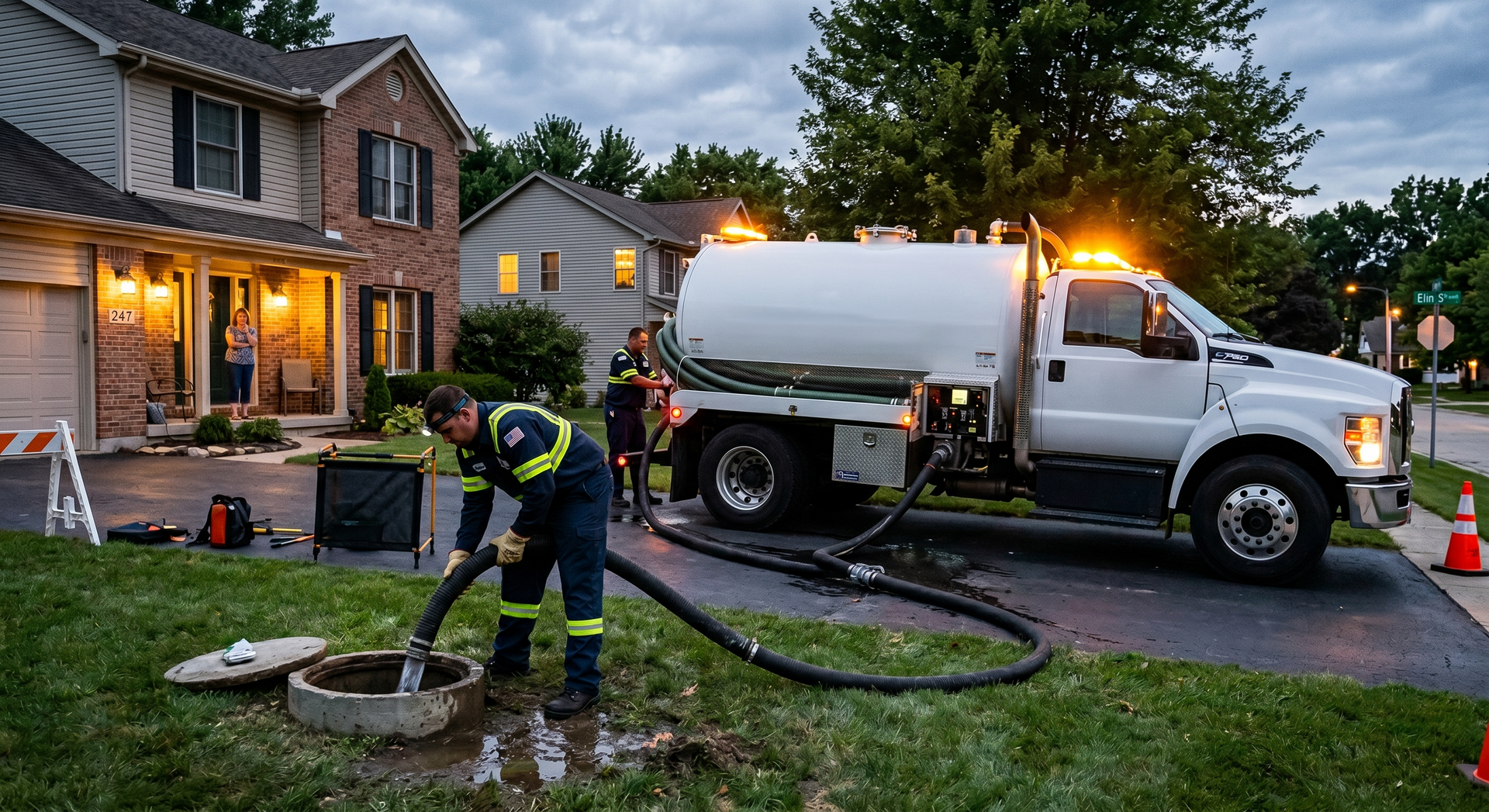
Routine pumping is the most critical maintenance task.
If you skip pumping:
- Solids overflow into the drain field
- Pipes become clogged
- The entire system can fail
Staying on schedule saves thousands in long-term costs.
2. Be Careful What You Flush
Your septic system relies on bacteria to break down waste. Many household items disrupt this process.
Never flush:
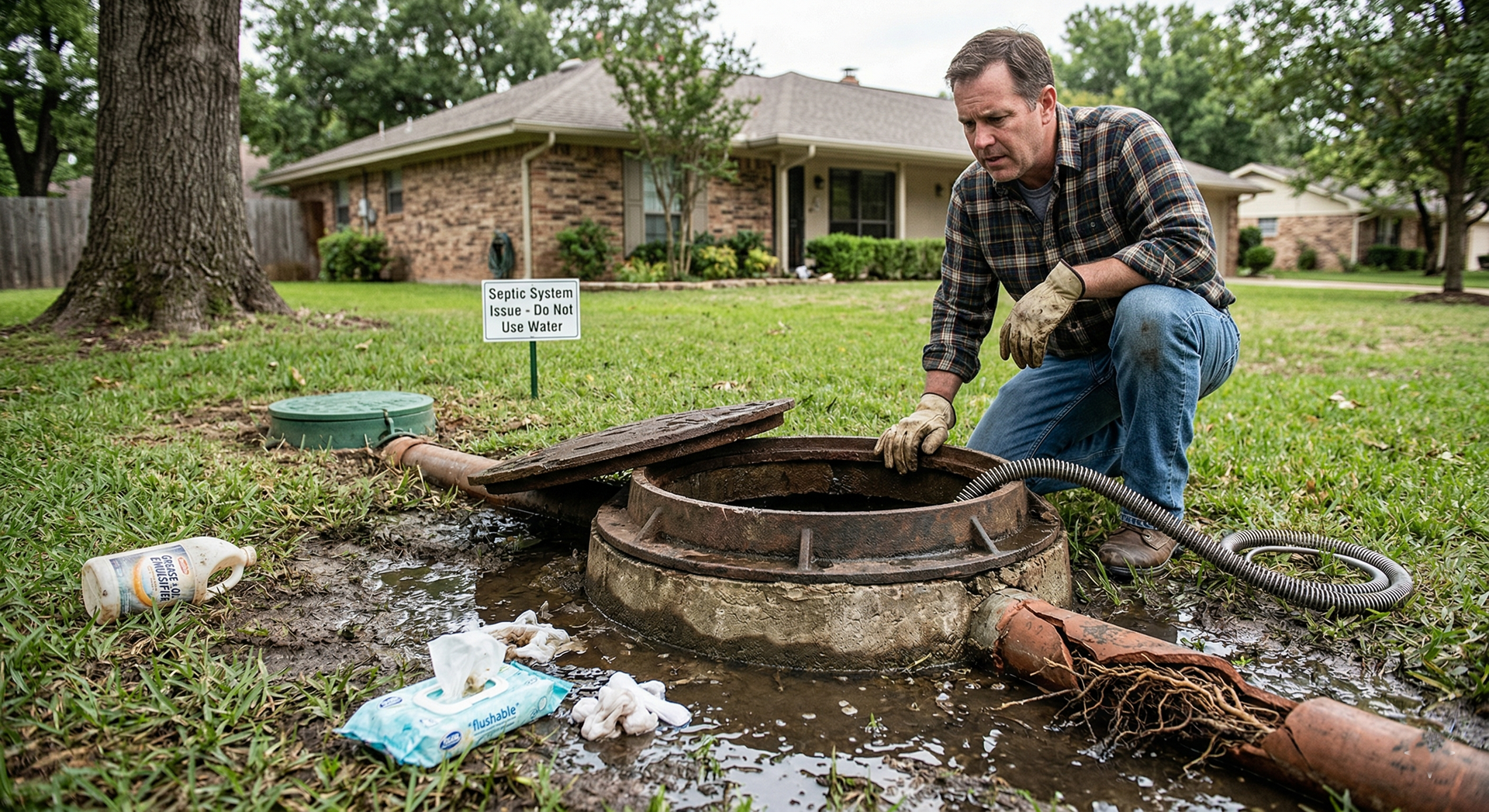
- Wipes (even labeled “flushable”)
- Feminine hygiene products
- Paper towels or tissues
- Grease, oil, or food waste
- Chemicals like bleach or drain cleaners
These items can clog your system or kill the bacteria it depends on.
3. Manage Water Usage
Too much water can overload your system and push solids into the drain field.
Smart water habits:
- Spread laundry loads throughout the week
- Fix leaks immediately
- Install water-efficient fixtures
- Avoid running multiple appliances at once
Balanced water usage keeps your system functioning properly.
4. Protect Your Drain Field
Your drain field is one of the most sensitive parts of your system.
Avoid:
- Parking or driving over it
- Building structures on top of it
- Planting trees or shrubs nearby
Compacted soil or root damage can permanently reduce your system’s effectiveness.
5. Maintain Aerobic Systems Carefully
Aerobic systems require consistent upkeep.
Key tasks:
- Check alarms regularly
- Refill chlorine as needed
- Inspect spray heads for clogs
- Monitor system performance
Regular service ensures compliance and prevents unexpected failures.
Warning Signs Your Septic System Needs Maintenance
Catching problems early can prevent major repairs.
Watch for:
- Slow drains throughout your home
- Gurgling sounds in pipes
- Sewage odors in your yard or house
- Wet or soggy areas above your drain field
- Bright green grass over septic areas
- Alarm alerts on aerobic systems
If you notice any of these signs, schedule service immediately.
Common Septic Maintenance Mistakes to Avoid
Skipping Routine Pumping
This is the number one cause of septic failure.
Overusing Water
Excessive water usage overwhelms your system and reduces its effectiveness.
Using Harsh Chemicals
Chemical cleaners can destroy the beneficial bacteria your system relies on.
Ignoring Early Warning Signs
Small issues can quickly turn into major system failures if left untreated.
Seasonal Septic Maintenance Tips for Texas
During Heavy Rain
- Limit water usage
- Watch for pooling water
- Avoid stressing the system
During Dry Periods
- Check for soil cracking or shifting
- Monitor system performance
Before Selling Your Home
- Schedule an inspection
- Pump the tank if needed
- Ensure compliance with local regulations
A well-maintained septic system can improve property value and prevent delays during a sale.
Long-Term Cost Savings of Proper Maintenance
Septic maintenance isn’t just about preventing problems — it’s about saving money.
Average Costs:
- Routine pumping: $350–$550
- Major repairs: $1,000–$5,000+
- Full system replacement: $8,000–$15,000+
Routine maintenance is a small investment compared to the cost of system failure.
FAQs About Septic System Maintenance in Texas
How do I know when my tank needs pumping?
Most systems need pumping every 3–5 years, but signs like slow drains or odors may indicate it’s time sooner.
Can I use additives to maintain my system?
Most additives are unnecessary and may even harm your system. Proper pumping and care are more effective.
What happens if I don’t maintain my septic system?
Neglect can lead to backups, environmental hazards, and complete system failure.
How long does a maintenance visit take?
Most services take between 1–2 hours, depending on the system type.
Do aerobic systems require maintenance contracts?
Yes. Texas law requires regular inspections and maintenance by licensed providers.
Schedule Septic Maintenance in Central Texas
Routine maintenance is the best way to protect your septic system and avoid costly repairs. Whether you need pumping, inspections, or a full aerobic maintenance plan, Frank’s Septic & Pumping is here to help.
We proudly serve Bastrop, Bryan, Brenham, Caldwell, Taylor, and surrounding communities with reliable, professional septic services.
Call Today: (979) 830-3643
Schedule Service Online: https://www.frankssepticandpumping.com/contact