What Not to Flush: 15 Things That Will Destroy Your Septic System
15 Things You Should Never Flush to Protect Your Septic System

If you have a septic system, what you flush matters more than you might think. Unlike city sewer systems, septic systems rely on a delicate balance of bacteria to break down waste. Flushing the wrong items can clog pipes, kill beneficial bacteria, and lead to expensive repairs or even total system failure.
So what should you avoid? The short answer: anything that isn’t human waste or septic-safe toilet paper. But many everyday items still make their way into septic systems — and cause serious damage.
At Frank’s Septic & Pumping, we’ve seen firsthand how improper flushing habits lead to backups, overflows, and costly repairs across Central Texas. This guide breaks down the 15 worst things you should never flush — and what to do instead.
Why Flushing the Wrong Items Causes Problems
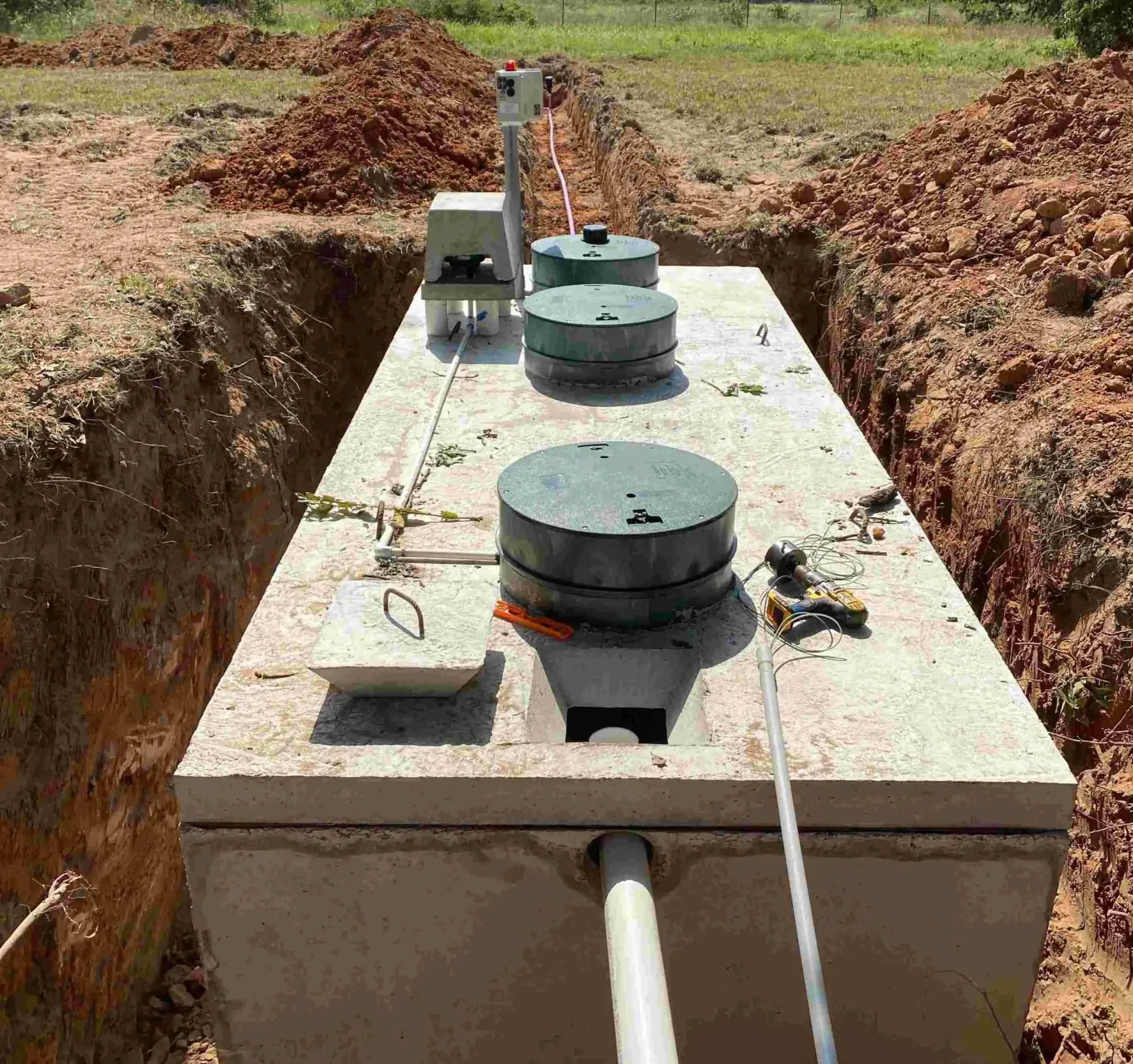
Septic systems are designed to:
- Separate solids from liquids
- Break down waste using natural bacteria
- Disperse treated water into the soil
When non-biodegradable or harmful materials enter the system, they can:
- Build up and clog pipes
- Fill the tank faster than normal
- Kill the bacteria needed to process waste
- Damage pumps and components (especially in aerobic systems)
Over time, this leads to backups, drain field failure, and expensive repairs.
The 15 Worst Things to Flush Into a Septic System
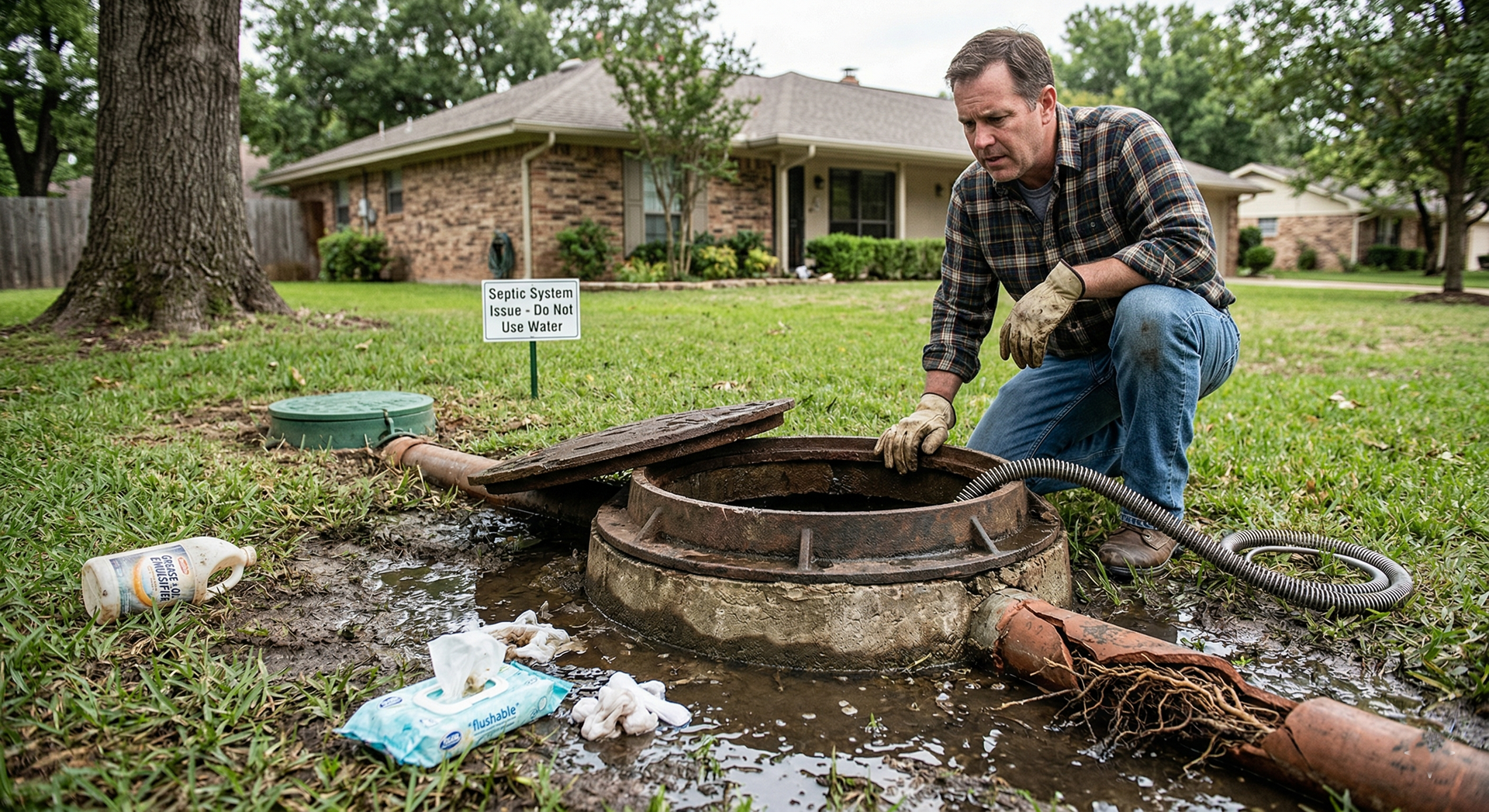
1. “Flushable” Wipes
Despite the label, these wipes do not break down like toilet paper. They can clog pipes and accumulate in your tank.
2. Paper Towels
Paper towels are much thicker than toilet paper and don’t dissolve properly, leading to blockages.
3. Feminine Hygiene Products
Tampons and pads absorb liquid and expand, making them one of the most common causes of septic clogs.
4. Grease, Oil, and Fat
When poured down drains, grease hardens and sticks to pipes, restricting flow and causing buildup.
5. Diapers
Disposable diapers are designed to absorb liquid — not break down. They can completely block your system.
6. Cotton Balls and Swabs
These materials do not decompose and can accumulate in pipes and tanks.
7. Dental Floss
Floss can tangle with other debris and create clogs inside your system.
8. Medications
Flushing medications can disrupt the bacterial balance in your tank and contaminate groundwater.
9. Harsh Cleaning Chemicals
Bleach, drain cleaners, and antibacterial products can kill the bacteria your septic system relies on.
10. Cigarette Butts
These contain non-biodegradable materials and toxic chemicals that harm your system.
11. Cat Litter
Even “flushable” cat litter can cause clogs and introduce harmful bacteria into your system.
12. Food Scraps
Food waste should never go into your septic system, especially solid or fibrous materials.
13. Coffee Grounds
These don’t break down easily and can accumulate in your tank.
14. Hair
Hair binds with grease and debris, forming clogs in pipes.
15. Paint, Solvents, and Chemicals
These substances are toxic to your system and can contaminate soil and groundwater.
What CAN You Flush Safely?
To keep your septic system functioning properly, stick to:
- Human waste
- Septic-safe toilet paper
That’s it. When in doubt, throw it out.
How Improper Flushing Leads to Expensive Repairs
Flushing the wrong items doesn’t always cause immediate problems — but over time, the damage adds up.
Common consequences:
- Frequent clogs and slow drains
- Septic tank overfilling
- Damage to pumps and components
- Drain field failure
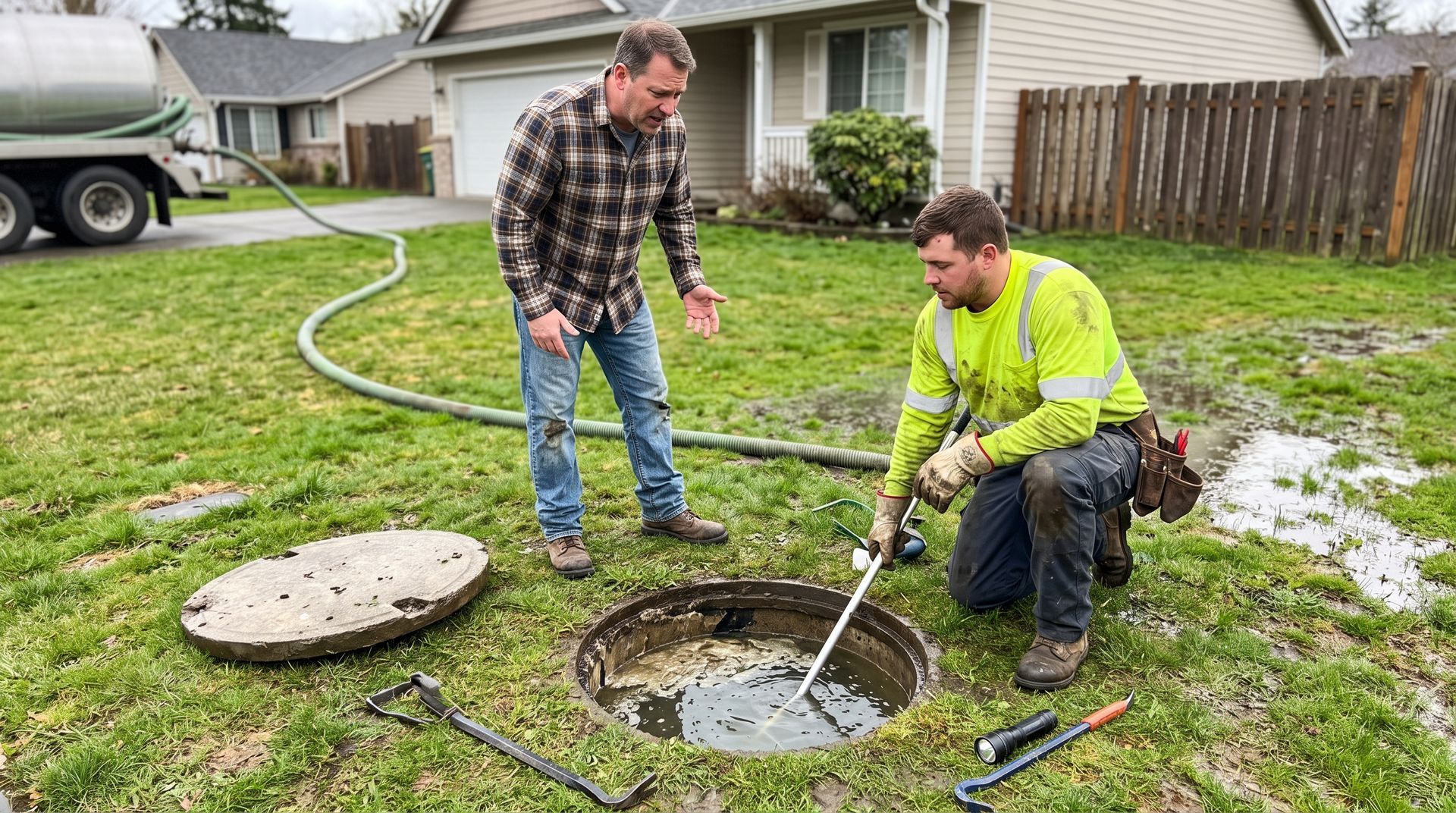
- Sewage backups into your home
Repair costs can range from a few hundred dollars to thousands for major system damage.
Septic-Safe Habits Every Homeowner Should Follow
Be mindful of everything that goes down your drains
Even kitchen sinks can impact your septic system.
Educate your household
Make sure everyone in your home knows what should and shouldn’t be flushed.
Use septic-safe products
Choose cleaning products that won’t harm beneficial bacteria.
Schedule regular maintenance
Routine pumping and inspections help catch problems early.
Special Considerations for Aerobic Systems
Aerobic systems are more sensitive than conventional systems because they rely on mechanical components and precise bacterial activity.
Flushing harmful items can:
- Damage pumps and aerators
- Trigger system alarms
- Increase maintenance costs
Proper usage is critical to keeping aerobic systems compliant with Texas regulations.
Warning Signs You’ve Flushed the Wrong Items
If your system is struggling, you may notice:
- Slow drains throughout your home
- Frequent clogs
- Gurgling sounds in pipes
- Sewage odors
- Alarm alerts (aerobic systems)
These signs often indicate buildup or blockage caused by improper flushing.
FAQs About Septic-Safe Flushing
Are “flushable” wipes ever safe?
No. They do not break down fast enough and can cause serious clogs.
Can I use a garbage disposal with a septic system?
Yes, but it increases solid waste in your tank and may require more frequent pumping.
Is it okay to pour grease down the drain with hot water?
No. Grease will still solidify and stick to pipes.
What cleaning products are safe?
Use septic-safe or biodegradable cleaners whenever possible.
How often should I pump my tank?
Most homes require pumping every 3–5 years, depending on usage.
Protect Your Septic System With Smart Habits
Your septic system is a major investment, and simple daily habits can make a big difference in how long it lasts. Avoiding the wrong materials is one of the easiest ways to prevent costly problems.
If you’re experiencing clogs, backups, or suspect damage from improper use, Frank’s Septic & Pumping is here to help.
Schedule Septic Service in Central Texas
Whether you need pumping, repairs, or a full system inspection, our team is ready to keep your septic system running smoothly.
Call Today: (979) 830-3643
Request Service Online: https://www.frankssepticandpumping.com/contact
Serving Bastrop, Bryan, Brenham, Caldwell, Taylor, and surrounding areas