Aerobic vs. Conventional Septic Systems: Which Is Right for You?
Aerobic vs. Conventional Septic Systems – Which to Choose

If you're building a home in Central Texas or replacing a failing system, one of the most important decisions you'll make is whether to install an
aerobic or conventional septic system. Both systems are designed to treat household wastewater, but they work differently and have unique pros, cons, and maintenance needs. At Frank’s Septic & Pumping, we’ve installed hundreds of both systems across Texas since 2008. This guide will help you understand the key differences so you can choose the right system for your property, soil, and budget.
What’s the Difference Between Aerobic and Conventional Septic Systems?
Conventional Septic Systems
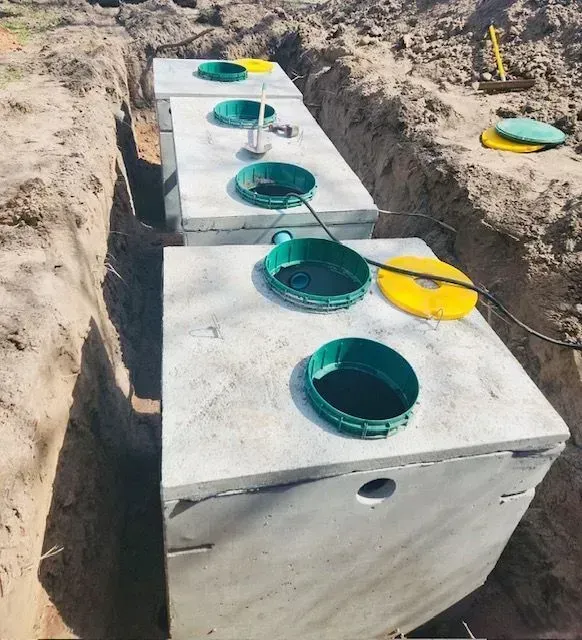
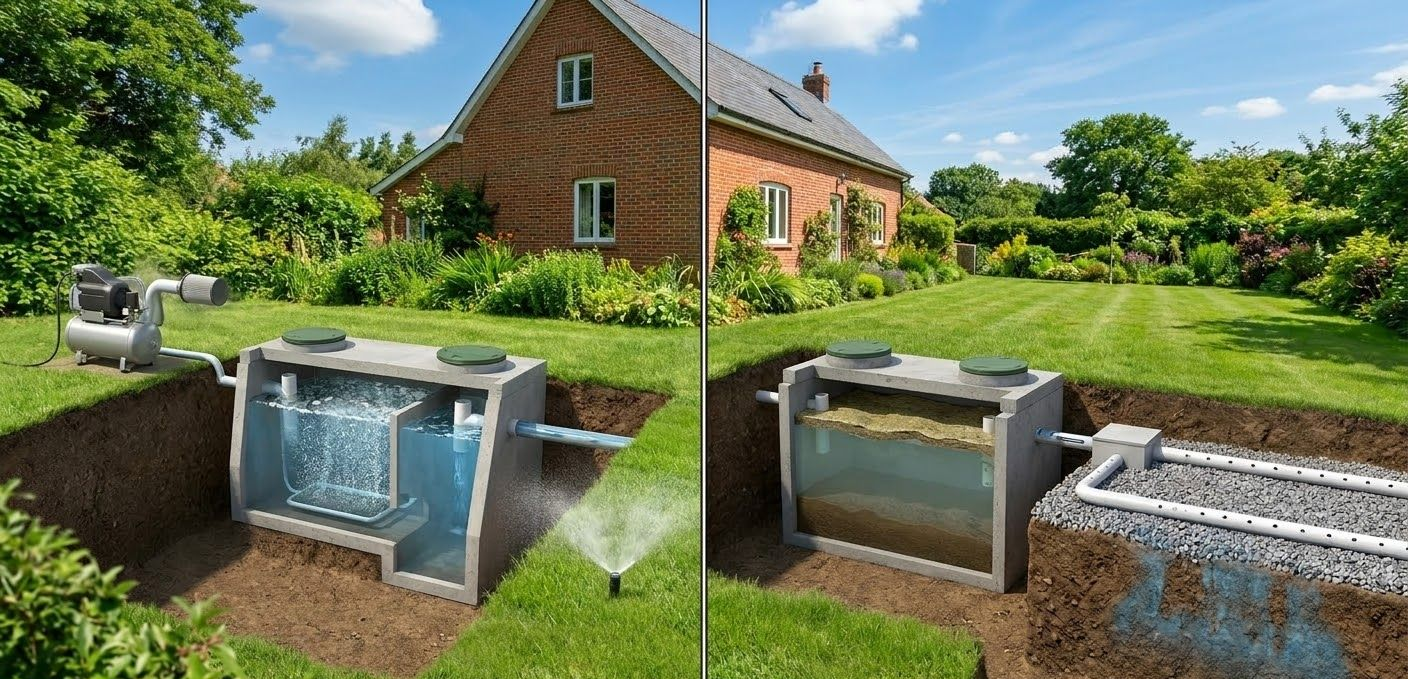
A conventional (gravity-based) septic system uses a septic tank and a drain field (leach field) to treat and disperse wastewater into the soil.
How it works:
- Wastewater flows into the septic tank
- Solids settle, and bacteria begin breaking them down
- Effluent flows to the drain field, where soil absorbs and further filters it
Key points:
- Simple design
- Passive (no electricity required)
- Lower initial cost
- Limited to sites with good soil drainage
Aerobic Septic Systems
An aerobic system uses oxygen to actively treat wastewater, much like a small-scale wastewater treatment plant. These systems are often required when soil conditions don’t support a traditional leach field.
How it works:
- Wastewater enters a trash tank
- It moves to the aeration chamber, where oxygen is pumped in
- Aerobic bacteria treat the waste
- Water is disinfected (usually with chlorine)
- Treated water is dispersed via spray heads or drip irrigation
Key points:
- Mechanically complex
- Higher level of treatment
- More expensive
- Requires regular maintenance and inspections
| Feature | Conventional System | Aerobic System |
|---|---|---|
| Cost | Lower ($6,000-$9,000) | Higher ($10,000-$14,000) |
| Electricity Required | No | Yes (for pump and aerator) |
| Soil Requirements | Must have good percolation | Works in poor soil |
| Treatment Quality | Basic | High-quality, disinfected |
| Installation Time | Shorter | Longer |
| Maintenance Needs | Pump every 3-5 years | Service every 4 months |
| Lifespan | 20-30 years | 20-25 years (with upkeep) |
Which System Is Right for You?
Choose a Conventional System if:
- Your property has well-draining soil
- You want a lower-cost solution
- You're okay with occasional pumping and fewer parts to maintain
- You're in a rural area with fewer permitting restrictions
Choose an Aerobic System if:
- Your soil is clay-heavy or has poor percolation
- You’re building on a small or sloped lot
- Your local county or HOA requires it
- You want a cleaner, more environmentally-friendly discharge
What Does Texas Law Say?
According to TCEQ (Texas Commission on Environmental Quality):
- Aerobic systems
must be inspected by a licensed provider 3 times per year
- Maintenance contracts are legally required
- Installation and maintenance must be performed by licensed professionals
- Counties and cities may have stricter local codes
Frank’s Septic & Pumping is fully licensed to install and maintain
both conventional and aerobic systems in
Burleson, Brazos, Lee, Washington, and Fayette Counties.
How Much Do the Systems Cost?
Conventional Septic System:
- Installation: $6,000–$9,000
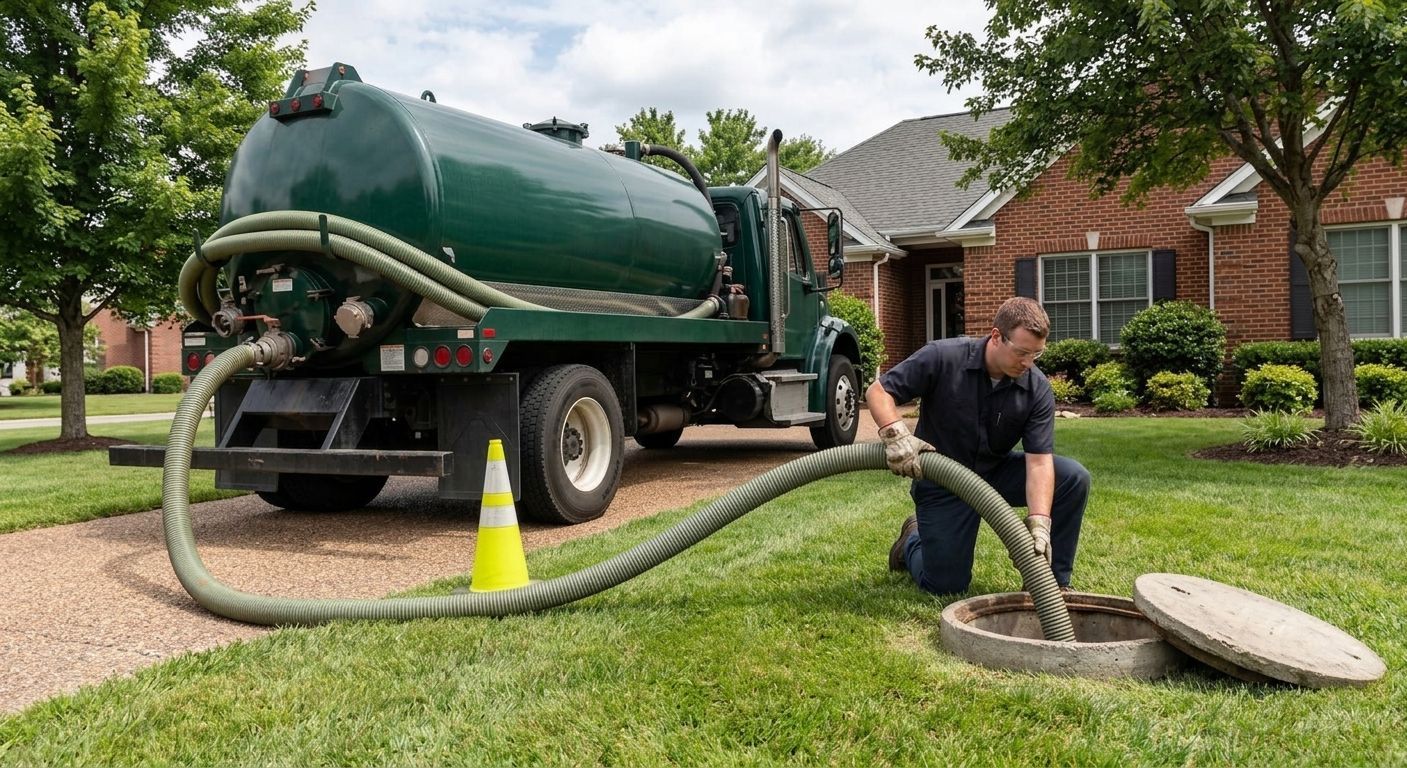
- Pumping: Every 3–5 years ($350–$550)
- Lifetime Cost: Lower
Aerobic Septic System:
- Installation: $10,000–$14,000
- Inspections: Required 3x per year
- Chlorine refills and repairs: Ongoing
- Pumping: Periodically (every 3–5 years)
- Lifetime Cost: Higher, but may be required based on location
We’ll provide a free quote and help you understand your options during your site evaluation.
Maintenance Considerations
Conventional Maintenance:
- Simple pumping every few years
- Occasional lid, baffle, or drain field repairs
- Minimal moving parts = less frequent breakdowns
Aerobic Maintenance:
- Quarterly inspections
- Chlorine tablet replacement or bleach system monitoring
- Motor, spray head, and alarm system upkeep
- Required service logs for compliance
Frank’s offers affordable maintenance contracts for aerobic systems, so you don’t have to worry about scheduling or legal compliance.
FAQs: Aerobic vs. Conventional Septic Systems
Can I choose which system I want?
It depends on your soil and local regulations. In many areas with poor drainage, aerobic systems are required by code.
Is an aerobic system better for the environment?
Yes. Aerobic systems produce cleaner effluent and reduce groundwater contamination risks, especially in sensitive areas.
Which system is easier to own?
Conventional systems are simpler and require less day-to-day involvement. Aerobic systems are more involved but manageable with a service plan.
Can I convert a conventional system to aerobic?
In some cases, yes — particularly if you're upgrading or remodeling. A site inspection and permit update are required.
Let Us Help You Choose the Right System
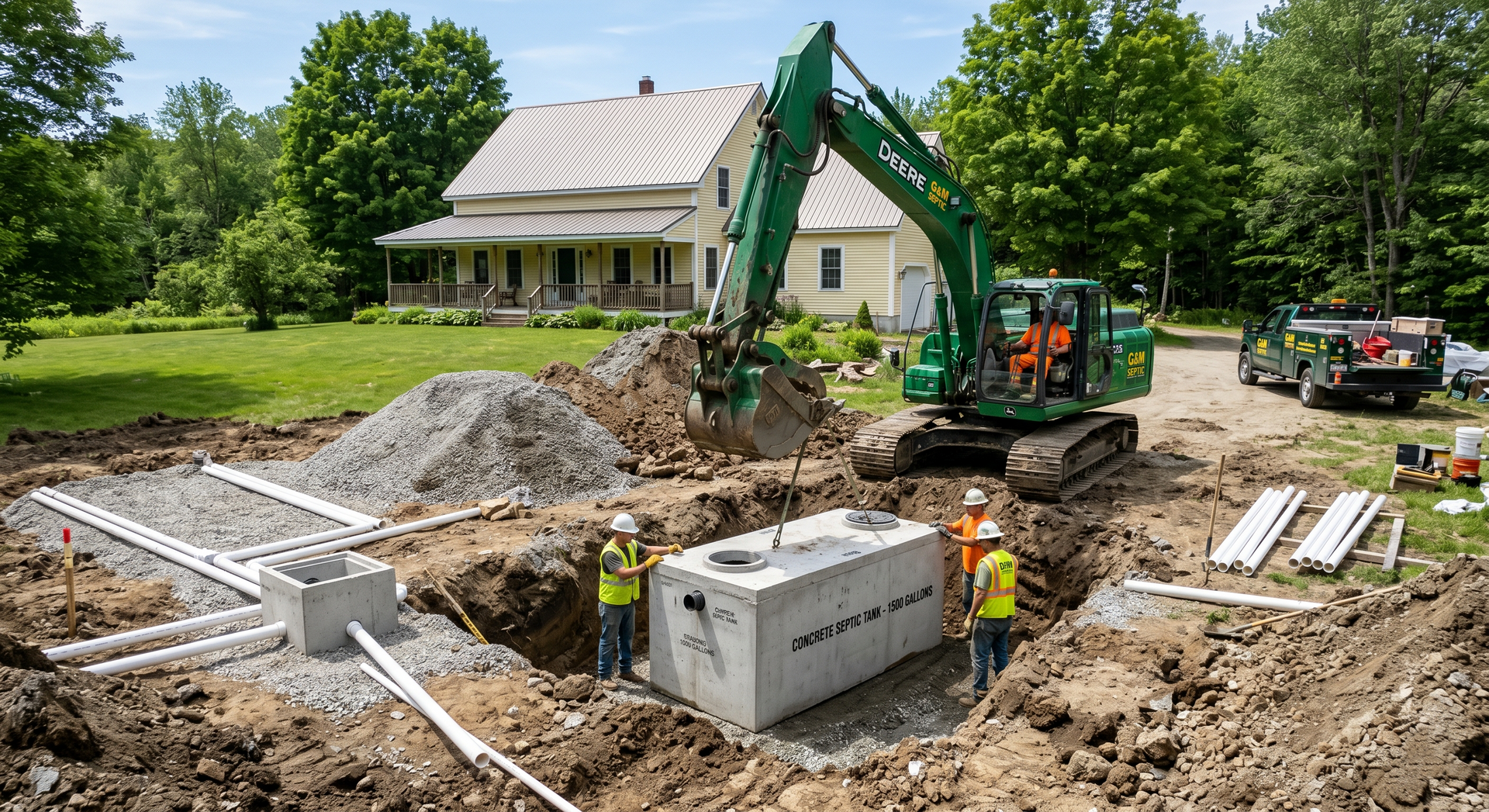
At Frank’s Septic & Pumping, we help homeowners across Central Texas make smart, informed septic decisions. Whether you need a brand-new install or are replacing a failed system, we’ll walk you through:
- Soil testing
- Permitting
- System selection
- Full-service installation
- Warranty and maintenance
We offer a
2-year warranty on all full system installs.
Schedule a Septic System Consultation Today
If you're not sure which septic system is best for your property, we’re happy to help. Our experts will visit your site, test the soil, explain your options, and provide a transparent quote.
Call Now: (979) 830-3643
Request a Consultation Online: https://www.frankssepticandpumping.com/contact
Serving Bryan, Bastrop, Caldwell, Brenham, and surrounding areas