What Causes Septic System Backups? 5 Common Issues Explained
The Top 5 Causes of Septic System Backups and How to Prevent them with Proper Maintenance

There’s nothing more stressful for a homeowner than discovering sewage backing up into the home. Septic backups can lead to thousands in damage, exposure to hazardous waste, and major plumbing disruptions. The good news? Most backups are preventable when you understand what causes them. At Frank’s Septic & Pumping, we’ve helped Texas homeowners troubleshoot and repair septic backups for over 16 years. This article outlines the top five reasons septic systems back up, plus how to stop them before they start.
What Is a Septic Backup?
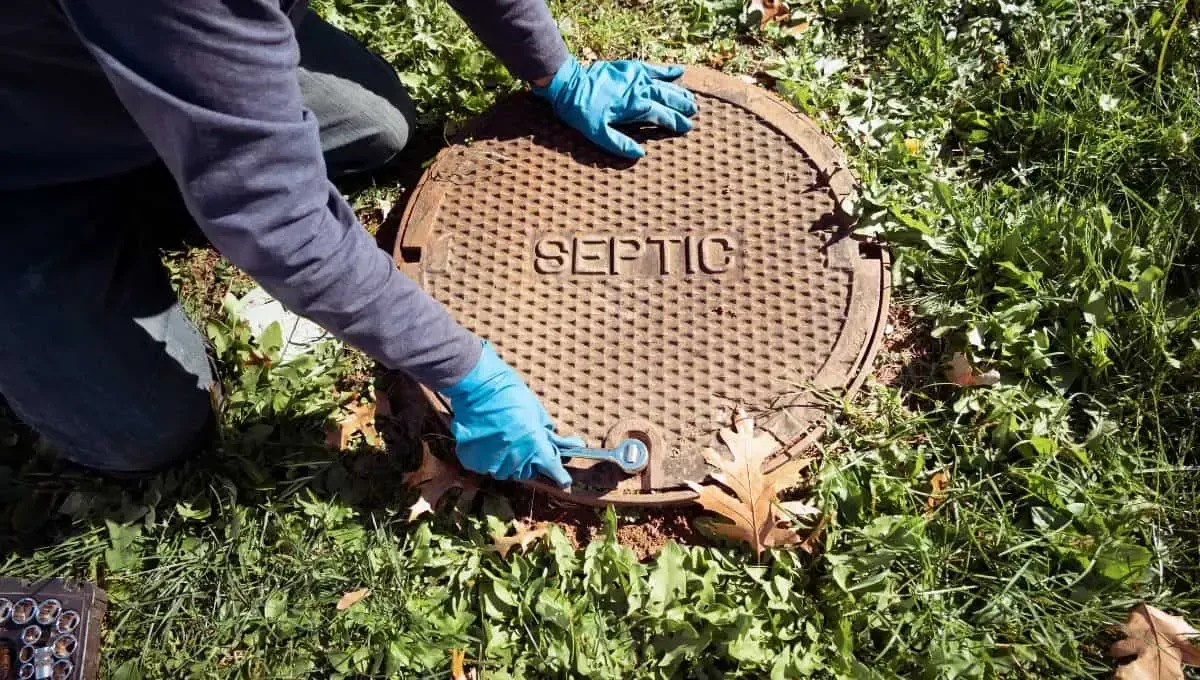
A septic system backup happens when wastewater cannot properly exit your home and flow into your septic tank and drain field. When the system becomes clogged, overloaded, or damaged, sewage can back up into:
- Toilets
- Sinks
- Bathtubs and showers
- Floor drains
A backup isn’t just inconvenient — it’s a health hazard that requires immediate professional service.
1. Lack of Regular Septic Pumping
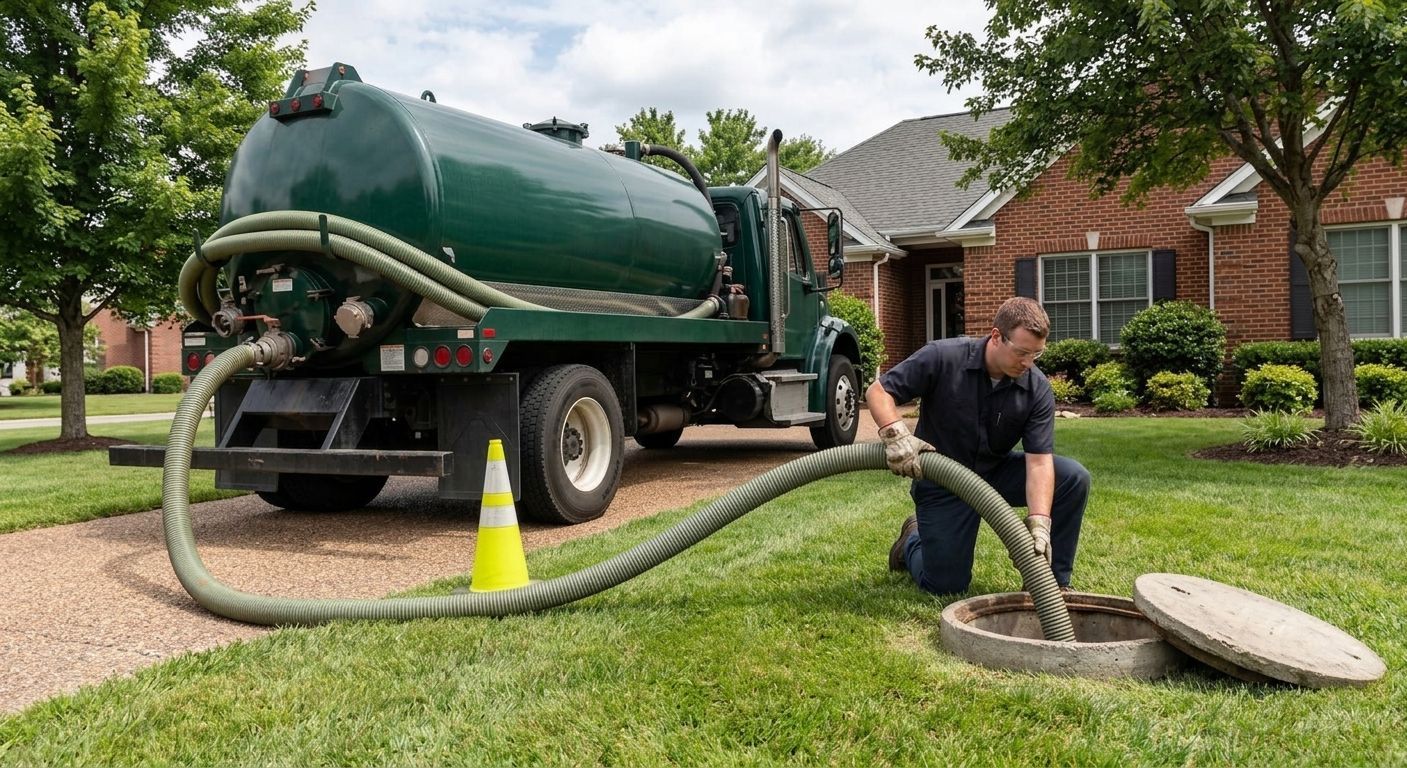
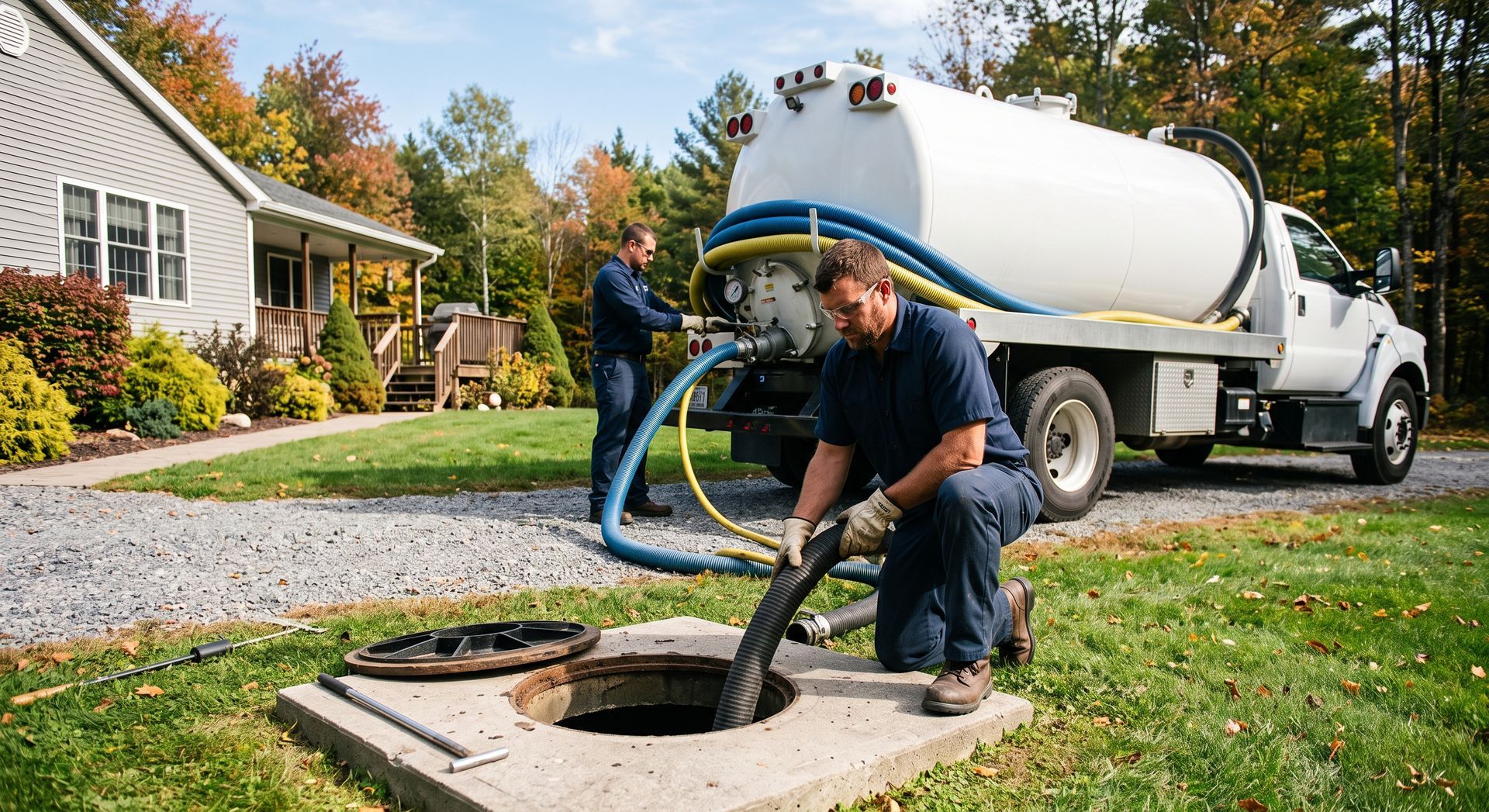
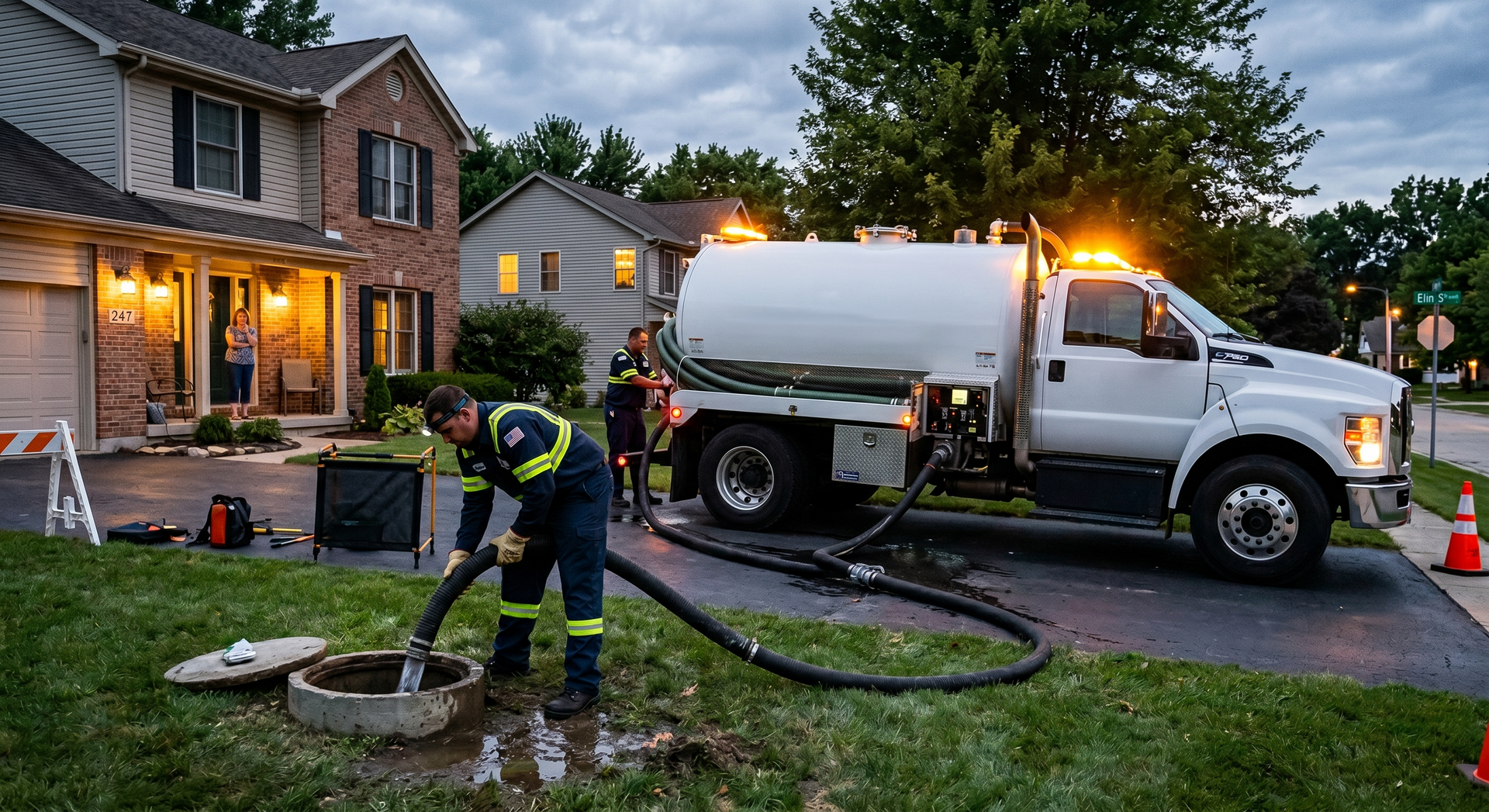
The most common cause of septic backups is failure to pump the tank on schedule. Over time, solid waste builds up in the tank. If it’s not removed, it can overflow into the drain field or back into the home.
What to know:
- Tanks should be pumped every 3–5 years
- Homes with large families or garbage disposals may require more frequent pumping
- Sludge buildup can block the outlet pipe or cause effluent to backflow
How to prevent it:
Set a pumping schedule with reminders and inspections. Frank’s Septic & Pumping – https://www.frankssepticandpumping.com/septic-pumping
2. Tree Root Infiltration
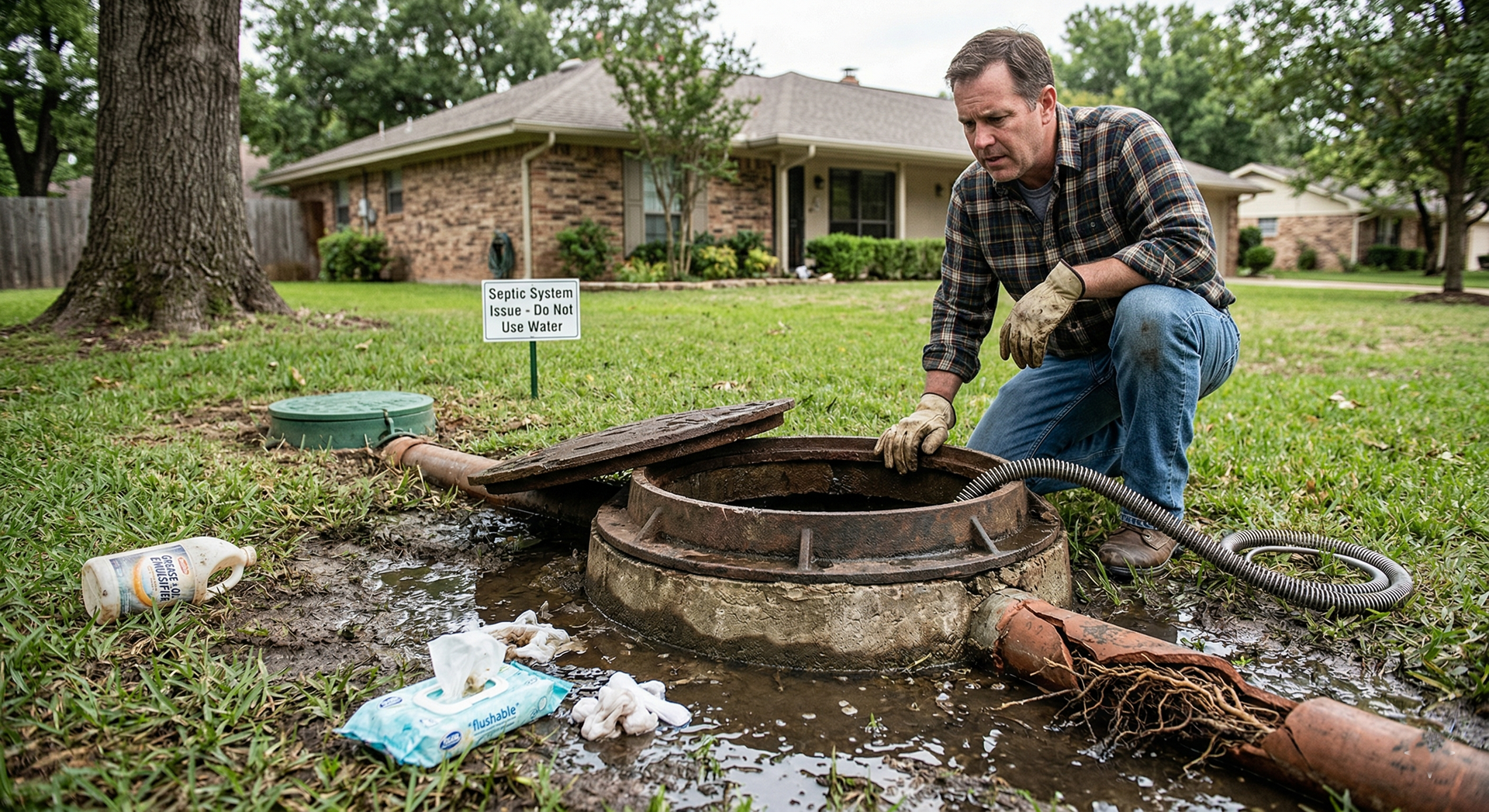
Tree roots are surprisingly aggressive and can invade your septic lines, especially if your system is older or made from clay or cast iron piping.
Signs of root intrusion:
- Slow or gurgling drains
- Intermittent backups
- Soggy patches or indentations in the yard
Roots can block flow, crack pipes, and even collapse lines entirely.
How to prevent it:
Avoid planting trees or shrubs near the drain field or tank area. Schedule periodic camera inspections to catch root growth early.
3. Clogs From Non-Flushable Items
Many septic backups are caused by items that should never be flushed down the toilet or drain.
Common culprits:
- “Flushable” wipes (they’re not really flushable)
- Feminine hygiene products
- Paper towels
- Grease, oil, and fat
- Harsh chemicals that kill beneficial bacteria
These materials don’t break down like toilet paper and can clog both the tank and the inlet pipe.
How to prevent it:
Educate household members about what should and shouldn’t go into the septic system. When in doubt, throw it out.
4. Drain Field Saturation or Failure
The drain field is where wastewater is absorbed and filtered into the soil after leaving your tank. If the field becomes saturated with water or clogged with solids, the system has nowhere to send the waste.
Causes of saturation:
- Heavy rainfall or flooding
- Parking or driving over the field
- Overuse of water in the home
- Lack of pumping, causing solids to reach the drain field
When the field fails, wastewater backs up into the tank — and eventually into your home.
How to prevent it:
Protect your drain field, avoid compacting the soil, and pump your tank regularly to keep solids out of the field.
5. Mechanical or Electrical Failure in Aerobic Systems
If you have an aerobic septic system, your system relies on mechanical parts like:
- Aerators
- Pumps
- Spray heads
- Control panels
- Alarms
If any of these components fail, it can stop the treatment process and cause effluent to back up or overflow.
Signs of failure:
- Alarm light or beeping sounds
- Water pooling near spray heads
- Uneven spray patterns or no spray at all
How to prevent it:
Follow Texas law and schedule aerobic inspections every 4 months. Maintenance contracts can catch issues before they escalate.
What to Do If You Have a Septic Backup
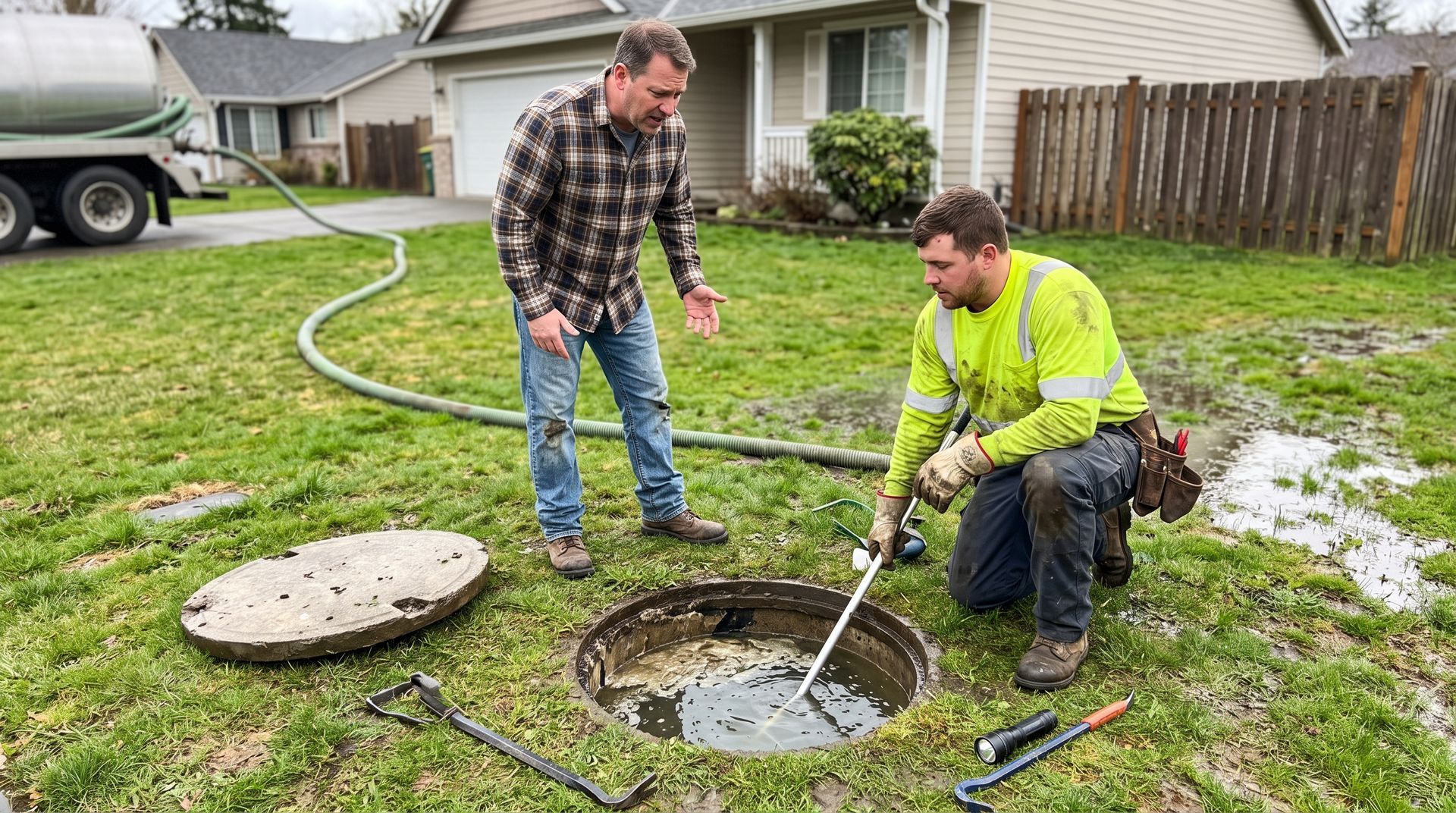
If you notice signs of a backup — especially sewage in your home — take immediate action:
Step-by-step:
- Stop using water to prevent further backup
- Turn off electrical components if you have an aerobic system and it’s safe to do so
- Avoid contact with wastewater for health reasons
- Call a licensed septic professional immediately
- Ventilate the area and clean with disinfectant after the issue is resolved
Frank’s Septic & Pumping offers emergency septic services across Central Texas. Call us at (979) 830-3643 if you're facing a backup.
FAQs About Septic Backups
Will homeowners insurance cover septic backups?
In most cases, standard policies do not cover septic issues unless you have a rider for sewer or septic backups.
How do I know if the backup is in my house or the tank?
If all your drains are slow or backing up, it’s likely a system issue. A plumber can rule out indoor pipe clogs, and we can inspect the tank and field.
Can I use chemical drain cleaners?
No. Chemical cleaners can damage your system and kill the bacteria that break down waste. Always use septic-safe products.
How fast can you respond to a backup?
Frank’s offers same-day and emergency septic services throughout Bastrop, Bryan, Brenham, and nearby towns.
Prevent Backups With Proactive Septic Maintenance
Most septic backups are preventable. Regular pumping, careful usage, and ongoing inspections can keep your system healthy for decades.
At Frank’s Septic & Pumping, we offer:
- Full system inspections
- Septic pumping
- Drain field evaluations
- Aerobic system maintenance
- Honest, upfront pricing
Schedule a Septic System Checkup Today
If it’s been years since your last pumping — or if you’ve had even minor signs of backup — don’t wait. Let us help you keep your system flowing and your home protected.
Call Now: (979) 830-3643
Request Service Online: https://www.frankssepticandpumping.com/contact
Serving Central Texas with trusted septic solutions since 2008