How Much Does Septic System Installation Cost in Texas? (2026 Guide)

May 18, 2026

Share this article

Septic System Cost Texas (2026) – Installation Pricing Guide

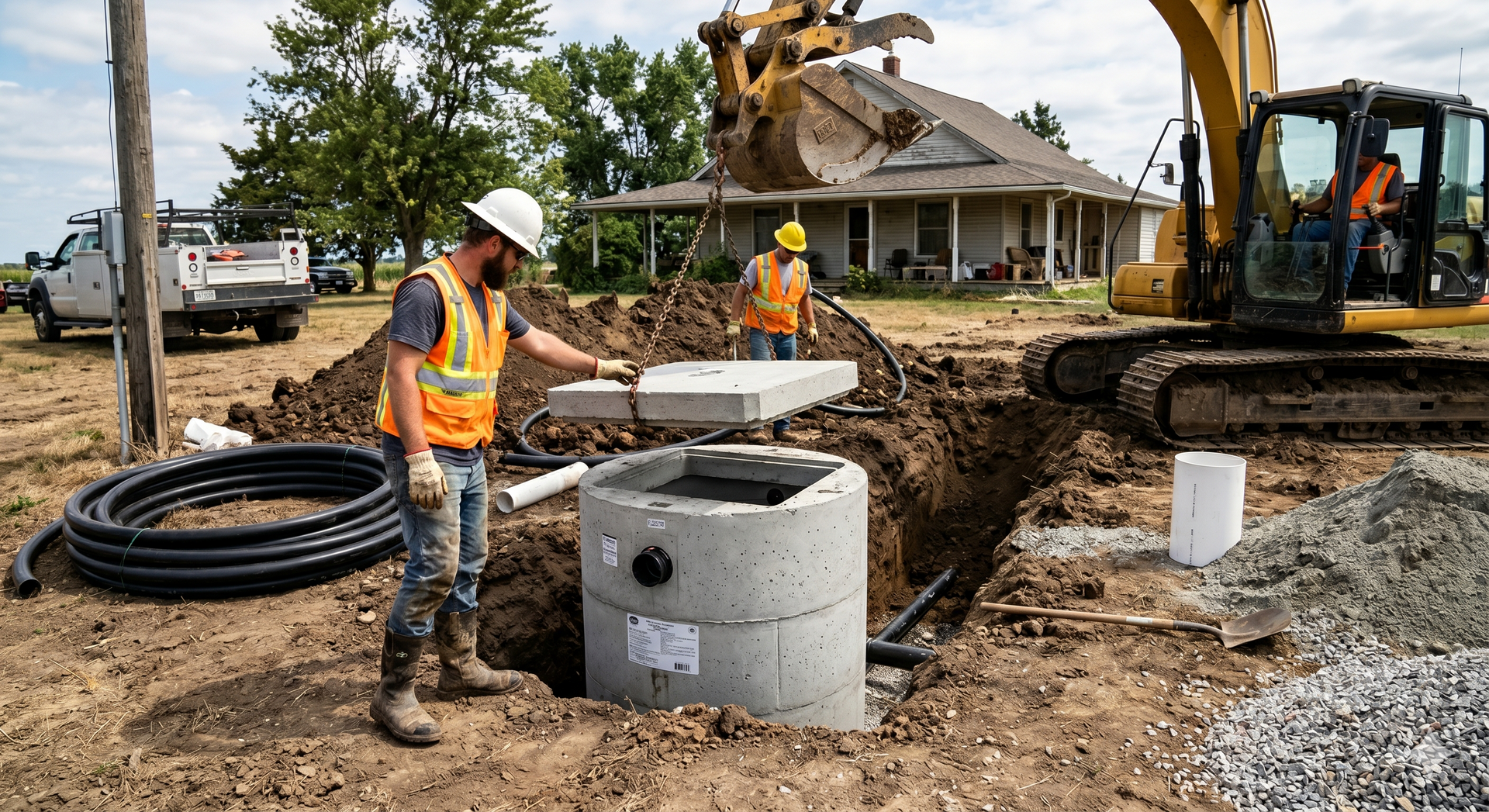
Construction workers installing underground utility pipes beside a residential home, with an excavator and concrete manhole ring.

If you're planning to install a septic system in Texas, you’re probably asking one of the most important questions upfront: how much will it cost? The reality is that septic system installation in Texas typically ranges from $6,000 to $14,000 or more, depending on your property, soil conditions, and system type. However, understanding why costs vary — and what you’re actually paying for — can help you make a smarter, more cost-effective decision.

At Frank’s Septic & Pumping, we’ve been installing septic systems across Central Texas since 2008, and we’ve seen how factors like soil, permits, and system design impact pricing. This guide breaks everything down so you know exactly what to expect in 2026.

Average Septic System Installation Costs in Texas

Septic installation costs fall into two main categories depending on the type of system required.

Conventional Septic Systems

  • Typical cost: $6,000 – $9,000
  • Best suited for properties with good soil drainage
  • Simpler design with fewer mechanical components
  • Lower upfront cost

These systems rely on gravity and natural soil filtration, making them more affordable — but they are not suitable for every property.

Aerobic Septic Systems

  • Typical cost: $10,000 – $14,000+
  • Required in many parts of Central Texas
  • Uses oxygen to treat wastewater
  • Includes pumps, aerators, and electrical components

Aerobic systems are more advanced and can be installed where conventional systems won’t work, especially in clay-heavy soil common in areas like Bryan, Brenham, and Caldwell.

What’s Included in Septic Installation Costs?

Many homeowners assume septic installation is just about the tank — but the full system includes multiple components and services.

A complete installation typically includes:

  • Site evaluation and soil testing
  • System design and engineering
  • Permit application and approval
  • Excavation and land preparation
  • Septic tank and piping installation
  • Drain field or spray system setup
  • Electrical connections (for aerobic systems)
  • Final inspection and approval

At Frank’s Septic & Pumping, we handle all of these steps so you don’t have to coordinate multiple contractors.

Key Factors That Affect Septic System Pricing

No two properties are the same, which is why septic costs can vary significantly. Here are the biggest factors that influence your final price.

1. Soil Type

Soil is one of the most important factors in determining system type and cost.

  • Sandy soil: Ideal for conventional systems (lower cost)
  • Clay soil: Requires aerobic systems (higher cost)
  • Rocky soil: May increase excavation costs

Central Texas often has dense clay soil, which is why many homeowners are required to install aerobic systems.

2. Property Size and Layout

Your land plays a major role in installation complexity.

  • Larger lots may require longer pipe runs
  • Sloped land may need pump systems
  • Limited space may require specialized designs

Tighter or more complex layouts can increase labor and material costs.

3. Tank Size

Septic tanks are sized based on household usage.

  • 1,000 gallons: Standard for 3–4 bedroom homes
  • 1,250–1,500 gallons: Larger homes or higher usage

Choosing the right size is critical — undersizing can lead to early system failure.

4. Permits and Regulations

Texas requires permits for all septic systems through local authorities.

Permit costs typically range from $300 to $800, but the real impact comes from:

  • Required system type
  • Inspection requirements
  • Local environmental regulations

Working with a local expert ensures compliance and avoids delays.

5. Accessibility of Your Property

If your property is difficult to access with heavy equipment, installation becomes more labor-intensive.

Examples include:

  • Remote rural properties
  • Heavily wooded land
  • Narrow driveways or restricted access

This can increase both time and cost.

Aerobic vs Conventional: Long-Term Cost Comparison

Cost Factor Conventional Aerobic
Install Cost Lower Higher
Maintenance Minimal Required
Pumping Every 3-5 years Every 3-5 years
Inspections Not required Required 3x/year
Repairs Less frequent More components to maintain

Aerobic systems cost more over time, but they are often required due to soil conditions and environmental regulations.

Hidden Costs to Be Aware Of

One of the biggest mistakes homeowners make is underestimating the total cost of septic installation.

Common overlooked costs:

  • Soil testing and engineering
  • Electrical setup for aerobic systems
  • Maintenance contracts (required for aerobic systems)
  • Future repairs from poor installation

Choosing an experienced company like Frank’s helps avoid these hidden expenses.

How to Save Money on Septic Installation

While septic systems are a major investment, there are smart ways to control costs.

Work with a Local Expert

Local companies understand soil conditions and permitting requirements, helping you avoid costly mistakes.

Choose the Right System the First Time

Installing the wrong system can lead to failure and expensive replacement.

Bundle Services

Hiring one company for design, permitting, and installation reduces overall costs and simplifies the process.

Maintain Your System

Routine maintenance extends the lifespan of your system and prevents major repairs.

How Long Does Installation Take?

Once permits are approved, most septic installations take:

  • 3 to 5 business days for standard systems
  • Longer for complex or weather-affected projects

Delays are usually related to permitting or weather, not the installation itself.

FAQs About Septic Installation Costs in Texas

Why are aerobic systems required in many areas?

Because clay soil doesn’t drain well, aerobic systems are needed to properly treat wastewater before discharge.

Can I install a septic system myself?

No. Texas law requires septic systems to be installed by licensed professionals.

Is a septic system cheaper than connecting to the city sewer?

In rural areas, septic is often the only option. It can be more cost-effective long-term since there are no monthly sewer bills.

How long will my septic system last?

  • Conventional systems: 20–30 years
  • Aerobic systems: 20–25 years with proper maintenance

Do you offer warranties?

Yes. Frank’s Septic & Pumping offers a 2-year warranty on full installations, giving you peace of mind.

Get a Free Septic Installation Estimate in Central Texas

Every property is different, and the only way to get accurate pricing is with a professional evaluation. At Frank’s Septic & Pumping, we provide honest recommendations, transparent pricing, and expert installation backed by years of experience.

If you're building a home or replacing a failing system, now is the time to get started.

Call Today: (979) 830-3643
Request a Free Estimate:
https://www.frankssepticandpumping.com/contact
Serving Bastrop, Bryan, Brenham, Caldwell, Taylor, and surrounding areas

The body content of your post goes here. To edit this text, click on it and delete this default text and start typing your own or paste your own from a different source.

Recent Posts

Concrete septic tanks with green and yellow lids installed in a dirt trench.
April 27, 2026
Alarm sounding on your aerobic septic system? Learn what it means, what to check, and when to call a professional in Central Texas to prevent costly damage.
A technician in a mask and work clothes inspects an open, murky concrete septic tank in a residential backyard.
April 10, 2026
Dealing with a septic backup? Discover the top 5 causes of septic system backups and how to prevent them with proper maintenance and care tips. Stay proactive now!!!
A flooded yard with a dark, circular septic tank access cover visible in the muddy water near a residential house.
March 25, 2026
Noticing slow drains or bad odors? Discover 7 warning signs your septic system may be failing—and what steps to take before it turns into a costly repair..
March 10, 2026
Choosing between aerobic and conventional septic systems? Compare the pros, cons, costs, and maintenance requirements to make the best choice for your property.
Person wearing gloves and work boots emptying a septic tank with a large hose.
February 23, 2026
Wondering how often to pump your septic tank in Texas? Learn the right schedule based on household usage, system type, and local regulations to avoid costly issues.
Three concrete septic tanks in a trench, with open access lids.
February 6, 2026
Need septic tank pumping in Taylor, TX? Call Frank’s Septic & Pumping for fast, affordable service. Same-day and next-day appointments available.
Green septic tank lids and a control box in a sandy yard.
January 22, 2026
Looking for septic service near Caldwell, TX? Frank’s Septic & Pumping offers fast, reliable pumping, repairs, and maintenance.
White septic cleaning truck parked on gravel, text
January 9, 2026
Shopping for a septic tank in Central Texas? Frank’s Septic & Pumping sells and installs poly and concrete tanks for homes and businesses.
Truck-mounted crane lifting a concrete cylinder in front of a water tower under a blue sky.
December 26, 2025
Need a new septic system in Bryan, TX? Learn what to expect from trusted local experts at Frank’s Septic & Pumping. Free installation estimates available..
Concrete septic tank in an excavated trench, with several access covers.
December 10, 2025
Need aerobic septic system service in Brenham, TX? Call Frank’s Septic & Pumping for fast, affordable maintenance and repairs.
Show More