Why Is My Septic Tank Filling Up So Fast? Common Causes Explained

If your septic tank seems to be filling up faster than usual, it’s more than just an inconvenience — it’s a warning sign that something isn’t working properly. A septic system that fills too quickly can lead to backups, odors, and even system failure if not addressed promptly.
So what’s causing it? The short answer: either too much water is entering the system, or something is preventing it from draining properly.
At Frank’s Septic & Pumping, we’ve helped homeowners across Central Texas diagnose and fix this exact issue for over 16 years. In this guide, we’ll break down the most common causes, what to look for, and how to fix the problem before it becomes expensive.
What Does “Filling Too Fast” Actually Mean?
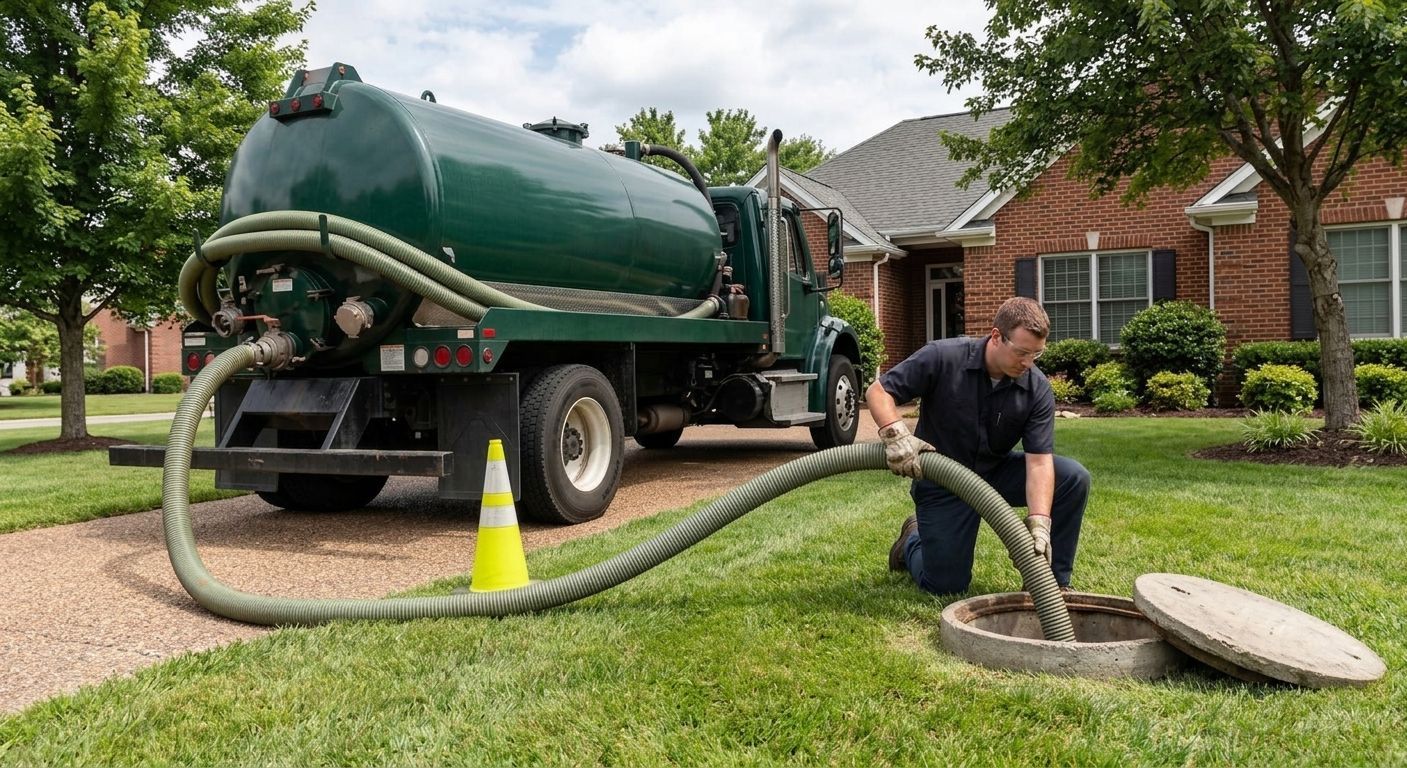
Your septic tank is designed to fill gradually over time and be pumped every 3 to 5 years. If you’re needing pumping much more frequently — or experiencing backups — something is wrong.
Common signs include:
- Tank needs pumping every year or less
- Frequent slow drains or clogs
- Sewage odors in your yard
- Gurgling sounds in plumbing
- Water backing up into your home
These symptoms indicate your system is not processing wastewater efficiently.
7 Common Reasons Your Septic Tank Is Filling Too Fast
1. Excessive Water Usage
The most common cause is simply too much water entering the system.
Examples include:
- Doing multiple loads of laundry in one day
- Long showers or frequent baths
- Running multiple appliances at once
- Leaking toilets or faucets
Too much water reduces the system’s ability to separate solids properly, causing faster fill-up.
Solution:
Spread out water usage and fix leaks immediately.
2. A Leaking Plumbing Fixture
Even a small leak can add hundreds of gallons of water to your system each day.
Common culprits:
- Running toilets
- Dripping faucets
- Leaky pipes
This constant flow overwhelms your septic tank.
Solution:
Inspect your home for leaks and repair them quickly.
3. Drain Field Problems
Your drain field is responsible for dispersing wastewater. If it’s not working properly, liquid can’t leave the tank.
Causes of drain field issues:
- Soil saturation from heavy rain
- Clogs from solids entering the field
- Compacted soil from vehicles or construction
When the drain field fails, wastewater backs up into the tank.
Solution:
Schedule a professional inspection to assess drain field condition.
4. Infrequent Pumping
If your tank hasn’t been pumped on schedule, sludge buildup reduces available capacity.
What happens:
- Less room for wastewater
- Faster fill rate
- Increased risk of overflow
Solution:
Stick to a regular pumping schedule every 3–5 years (or sooner if needed).
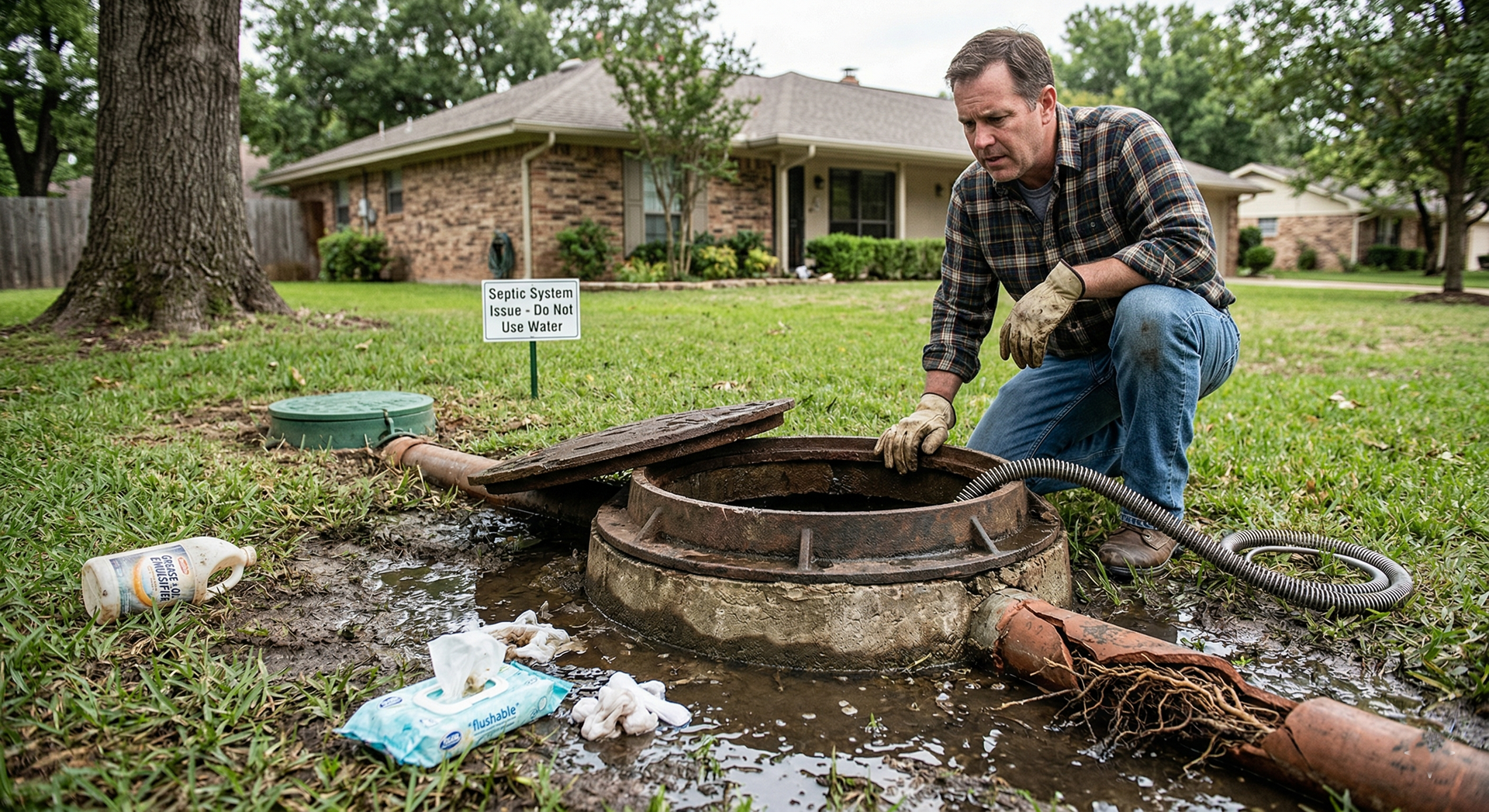
5. Flushing Non-Biodegradable Items
Items that don’t break down will accumulate in your tank.
Common problem items:
- Wipes
- Paper towels
- Feminine hygiene products
- Grease and food waste
These materials take up space and cause the tank to fill faster.
Solution:
Only flush human waste and septic-safe toilet paper.
6. Tree Root Intrusion
Tree roots can grow into pipes and restrict wastewater flow.
Signs of root problems:
- Slow drainage
- Frequent clogs
- Uneven yard areas
Restricted pipes can cause waste to back up into the tank.
Solution:
Professional inspection and pipe repair may be required.
7. Aerobic System Malfunction
If you have an aerobic system, mechanical failure can cause rapid fill-up.
Possible issues:
- Pump failure
- Aerator malfunction
- Float or timer problems
Without proper function, wastewater is not processed correctly.
Solution:
Call a licensed septic technician immediately for inspection and repair.
How to Fix a Septic Tank That Fills Too Fast
The right solution depends on the cause, but here are the most effective steps.
Step 1: Schedule a Septic Inspection
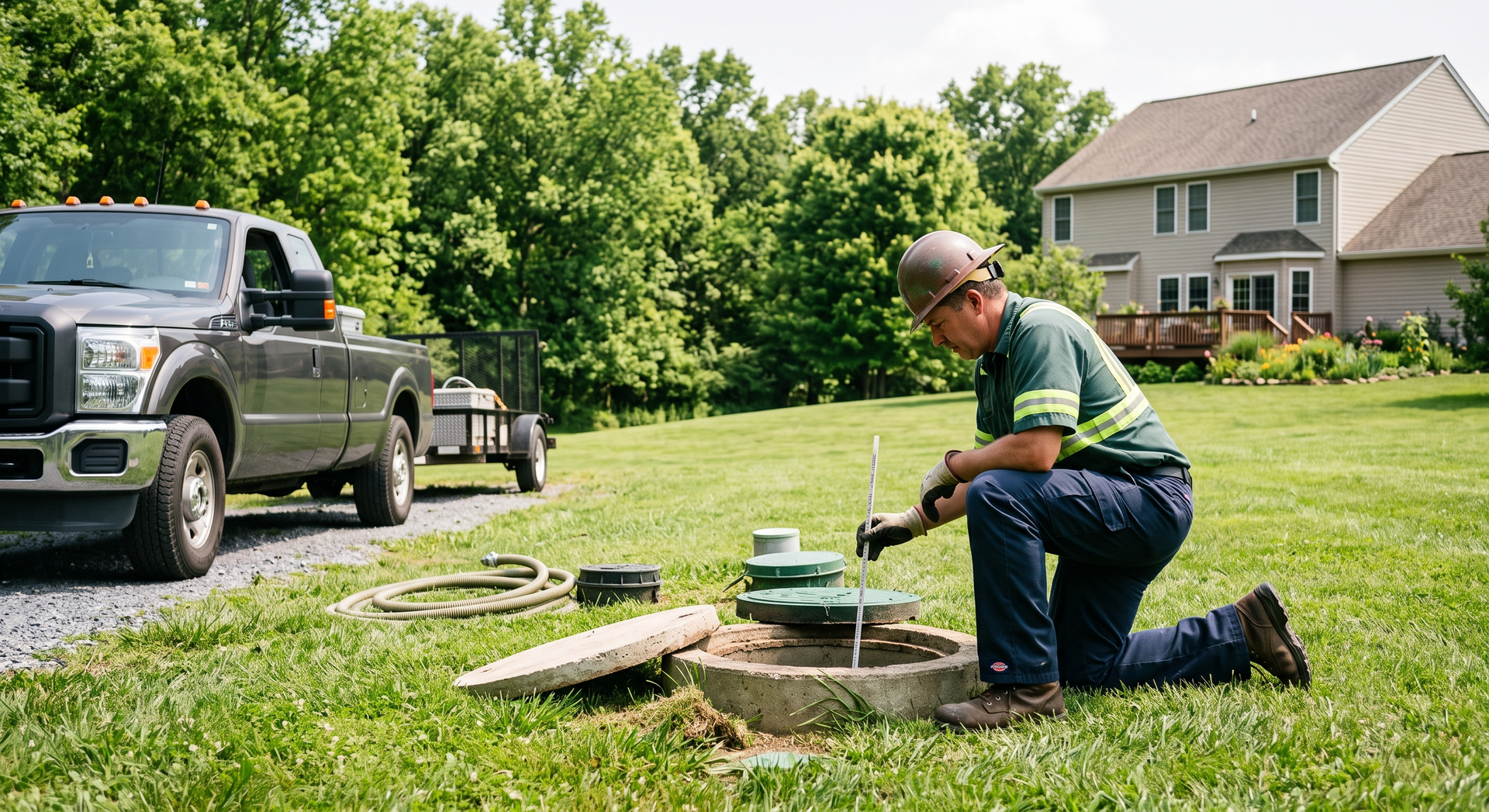
A professional inspection identifies the root cause quickly.
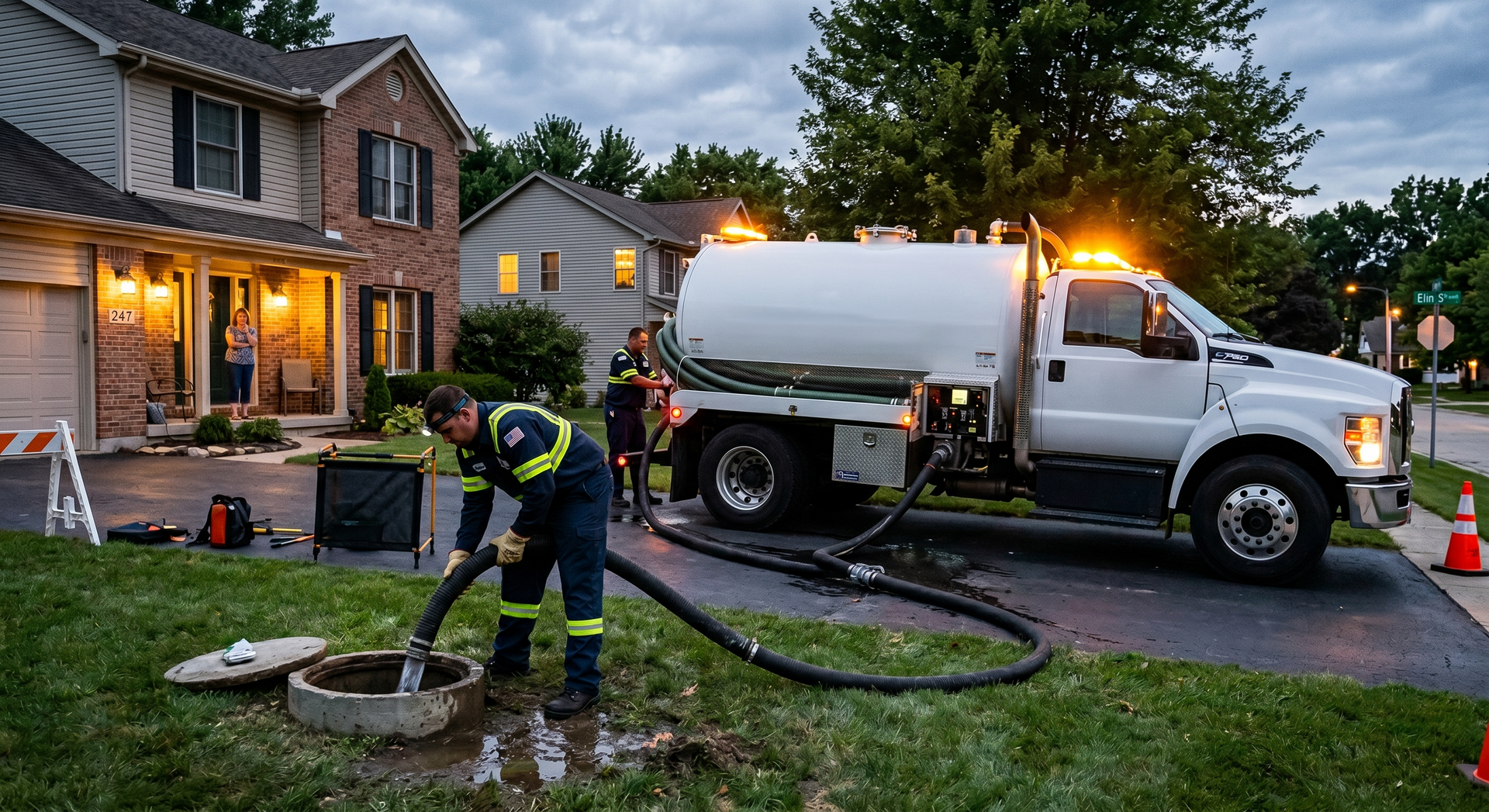
Step 2: Pump the Tank
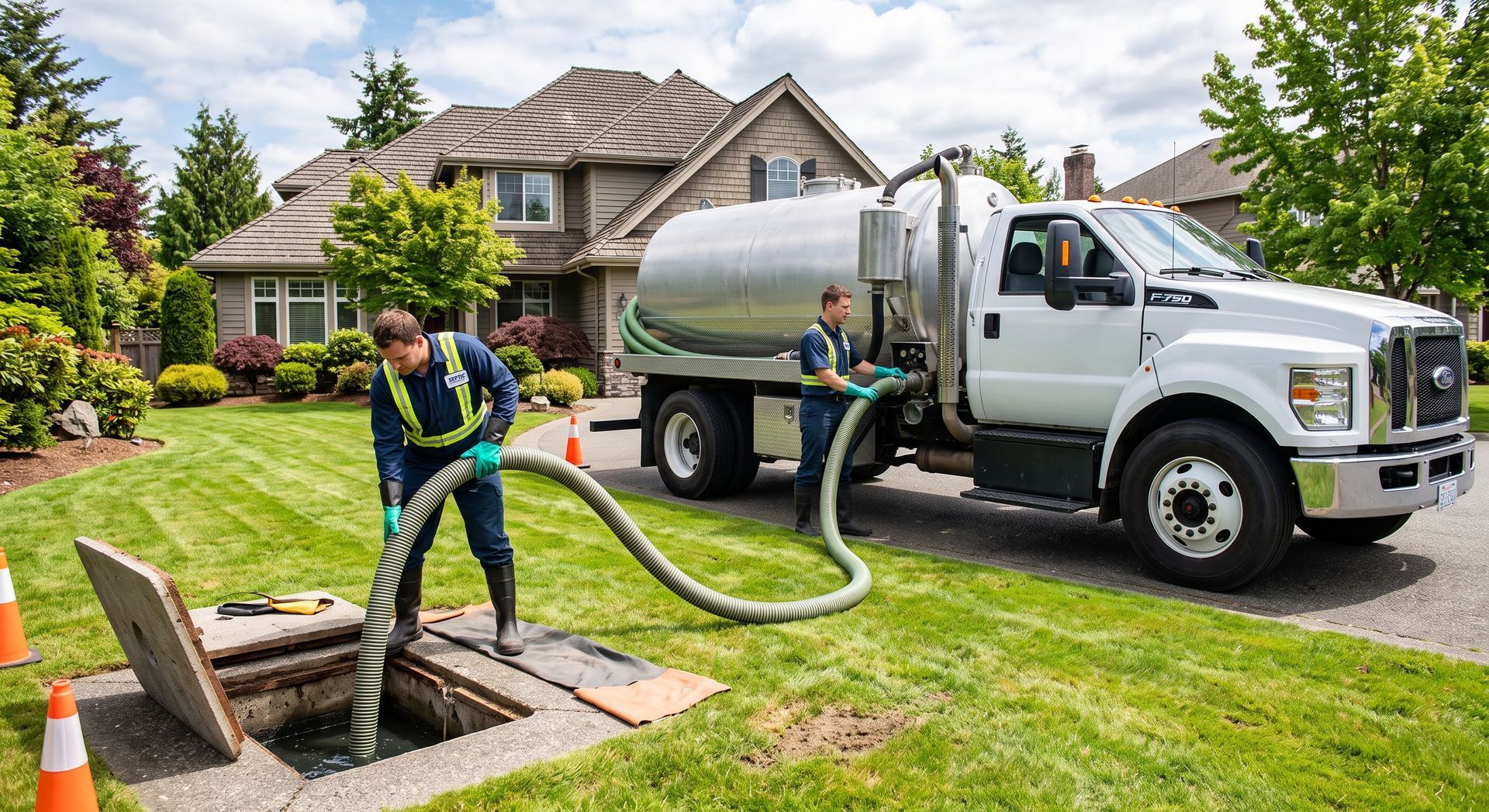
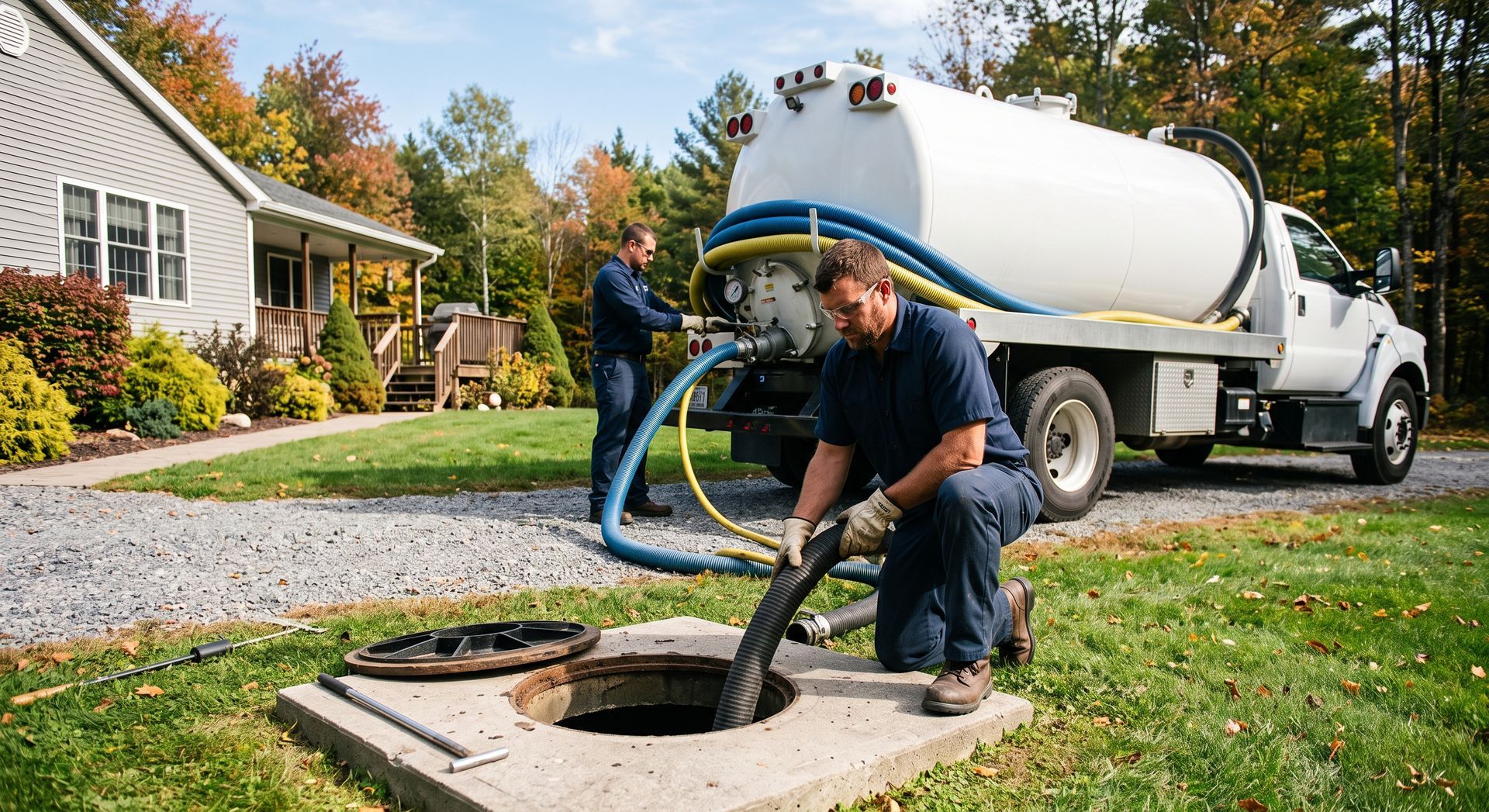
If the tank is full, pumping provides immediate relief.
Step 3: Reduce Water Usage
Limit water use until the issue is resolved.
Step 4: Address Underlying Problems
This may include:
- Repairing leaks
- Fixing pipes
- Restoring the drain field
- Replacing faulty components
How to Prevent Your Septic Tank From Filling Too Fast
Prevention is the best long-term solution.
Follow these best practices:
- Pump your tank regularly
- Fix leaks immediately
- Spread out water usage
- Avoid flushing harmful materials
- Schedule routine inspections
- Maintain aerobic systems properly
These steps help your system operate efficiently and extend its lifespan.
Cost of Fixing a Fast-Filling Septic Tank
Costs vary depending on the issue.
Typical ranges:
- Pumping: $350 – $550
- Minor repairs: $150 – $500
- Drain field repair: $2,500+
- Component replacement (aerobic): $500 – $1,500
Early detection can significantly reduce repair costs.
FAQs About Septic Tanks Filling Too Fast
Is it normal for my tank to fill quickly after heavy rain?
Yes, temporarily. Saturated soil can slow drainage, but the issue should resolve once conditions improve.
How often is too often for pumping?
If you need pumping more than once every 1–2 years, there’s likely an underlying issue.
Can additives fix the problem?
No. Most additives don’t solve the root cause and may harm your system.
Should I stop using water completely?
Reduce usage as much as possible until the issue is diagnosed and repaired.
Can this problem lead to system failure?
Yes. Ignoring the issue can result in complete septic system failure.
Get Expert Septic Help in Central Texas
If your septic tank is filling too fast, don’t ignore it. What starts as a small issue can quickly turn into a major repair or replacement.
Frank’s Septic & Pumping provides expert inspections, pumping, and repairs throughout Central Texas to keep your system running properly.
Schedule Septic Service Today
If you’re experiencing fast fill-ups, backups, or other septic issues, our team is ready to help.
Call Today: (979) 830-3643
Request Service Online:
https://www.frankssepticandpumping.com/contact
Serving Bastrop, Bryan, Brenham, Caldwell, Giddings, Taylor, and surrounding areas