Septic Tank Inspections in Texas – When You Need One and What to Expect

If you own a septic system in Texas, inspections are a critical part of protecting your property, staying compliant with regulations, and avoiding costly repairs. Whether you’re buying a home, selling property, or maintaining your current system, a septic inspection gives you a clear picture of how well your system is functioning.
So when do you actually need a septic inspection? The short answer: before real estate transactions, during routine maintenance, and anytime you suspect a problem. In this guide, we’ll walk you through exactly when inspections are required, what they include, and how to prepare.
At Frank’s Septic & Pumping, we’ve been performing septic inspections across Central Texas since 2008, helping homeowners avoid surprises and keep their systems in top condition.
What Is a Septic Tank Inspection?
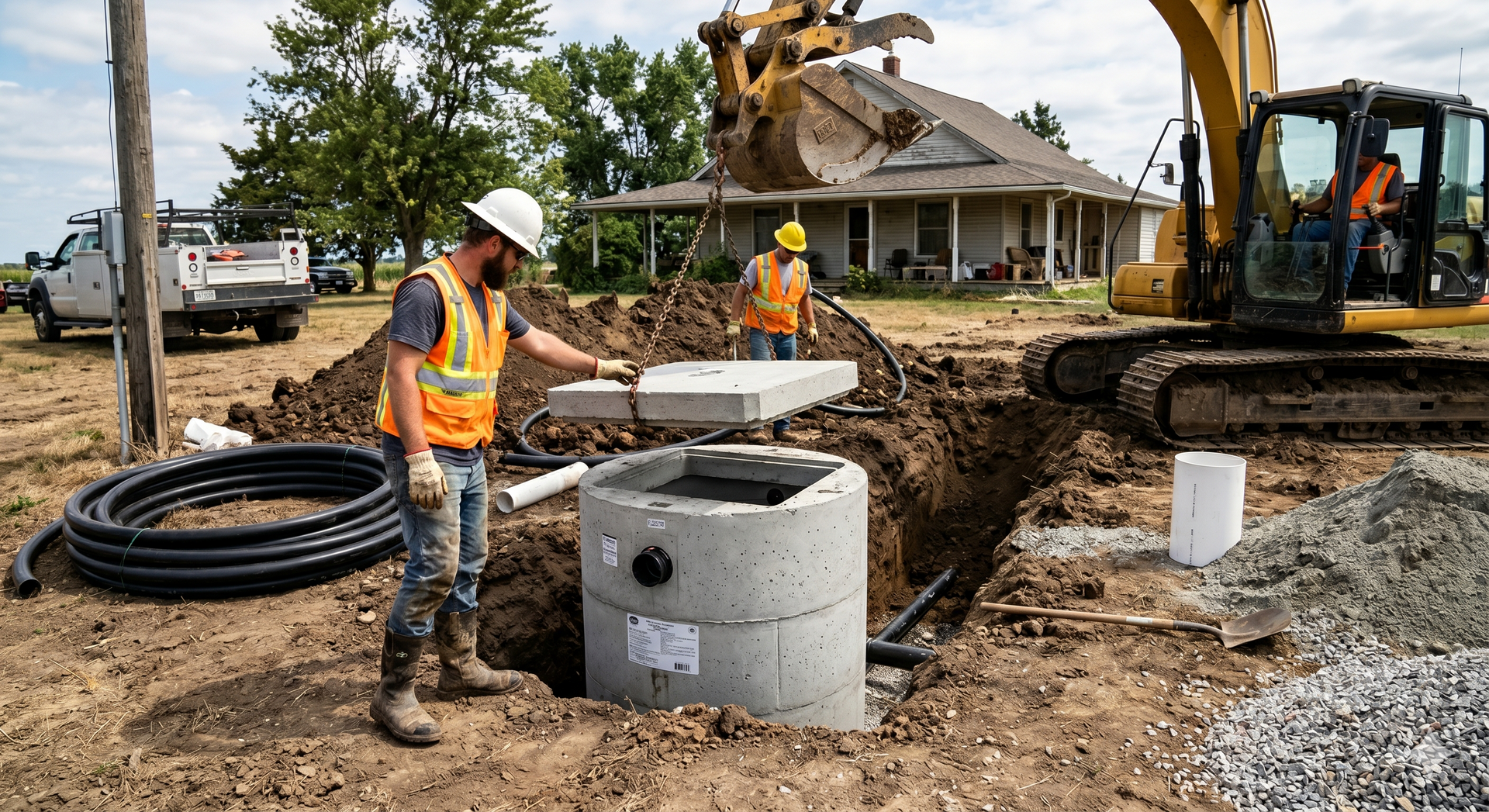
A septic inspection is a comprehensive evaluation of your entire septic system, including the tank, pipes, and drain field. The goal is to ensure everything is functioning properly and identify any issues before they become serious.
A typical inspection includes:
- Checking sludge and scum levels
- Inspecting tank structure for cracks or leaks
- Evaluating inlet and outlet pipes
- Testing system flow and drainage
- Inspecting the drain field for saturation or failure
- Reviewing mechanical components (for aerobic systems)
An inspection provides valuable insight into your system’s condition and helps determine whether maintenance or repairs are needed.
When Do You Need a Septic Inspection in Texas?
1. Buying or Selling a Home
One of the most common times to schedule a septic inspection is during a real estate transaction.
Buyers:
- Ensure the system is functioning properly
- Avoid unexpected repair costs after purchase
Sellers:
- Identify and fix issues before listing
- Provide documentation to buyers
Many lenders and buyers require septic inspections before closing.
2. Routine Maintenance
Even if you’re not buying or selling, regular inspections are essential.
- Conventional systems: every few years or during pumping
- Aerobic systems: required 3 times per year by Texas law
Routine inspections help catch small problems early and extend the life of your system.
3. Signs of a Problem
If you notice any warning signs, schedule an inspection immediately.
Common signs:
- Slow drains throughout the house
- Gurgling sounds in plumbing
- Sewage odors in the yard or home
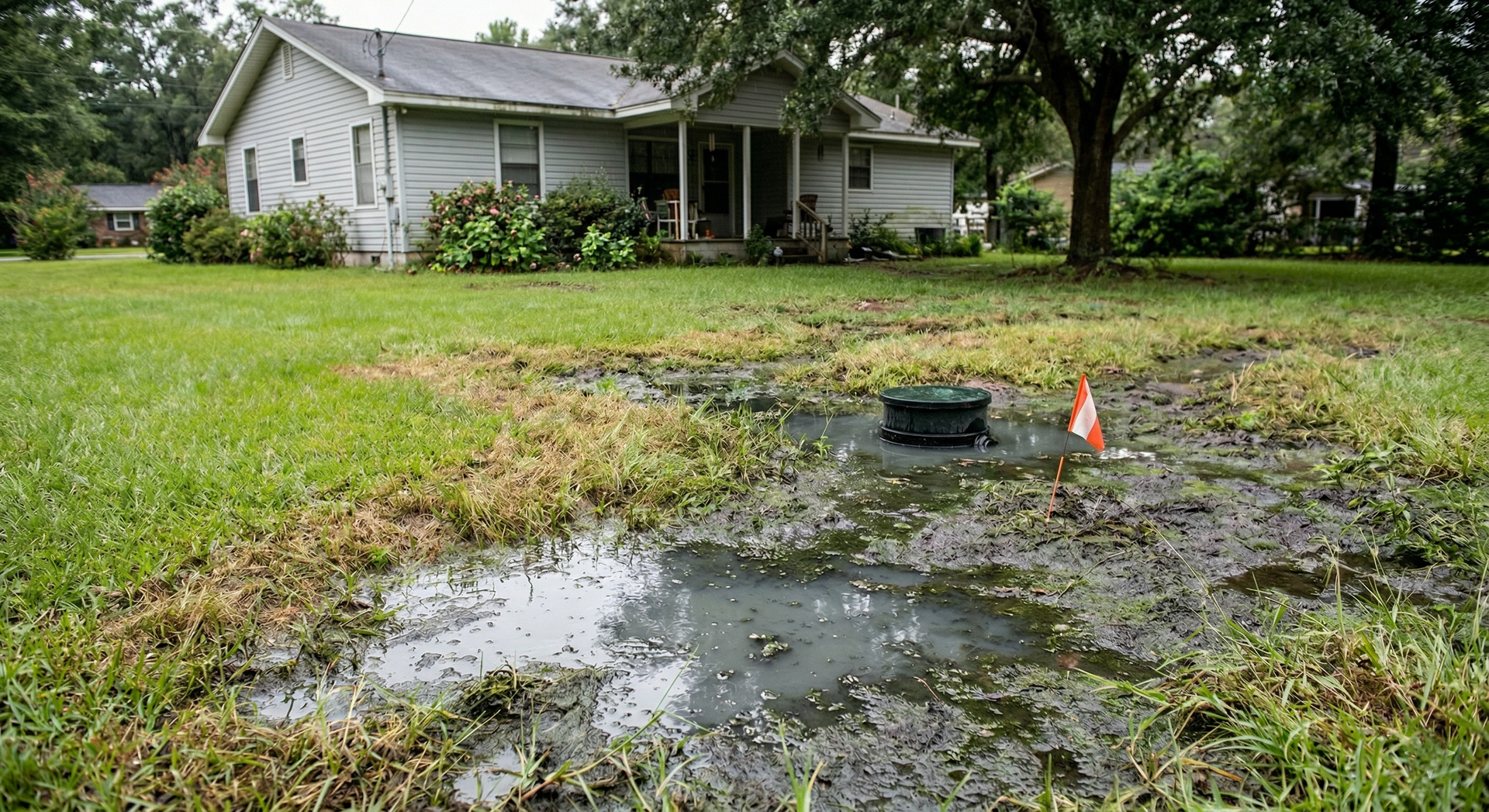
- Wet or soggy areas above the drain field
- Aerobic system alarm going off
Ignoring these signs can lead to major system failure.
4. After Heavy Rain or Flooding
Excessive rain can saturate your drain field and affect system performance.
An inspection can determine if:
- The drain field is overloaded
- Water is backing up into the system
- Damage has occurred
What Happens During a Septic Inspection?
At Frank’s Septic & Pumping, we follow a detailed inspection process to ensure nothing is overlooked.
Step 1: Locate and Access the Tank
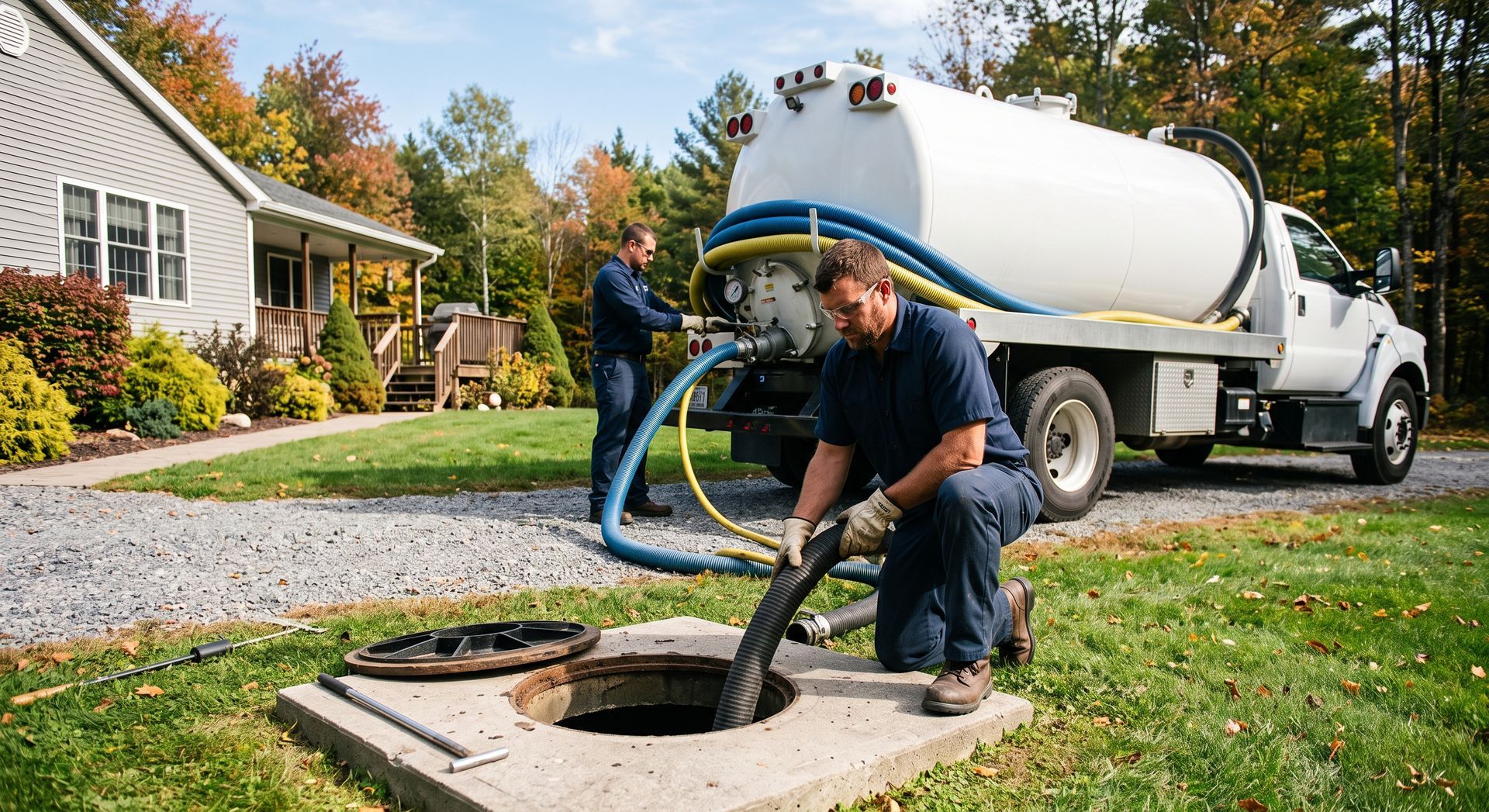
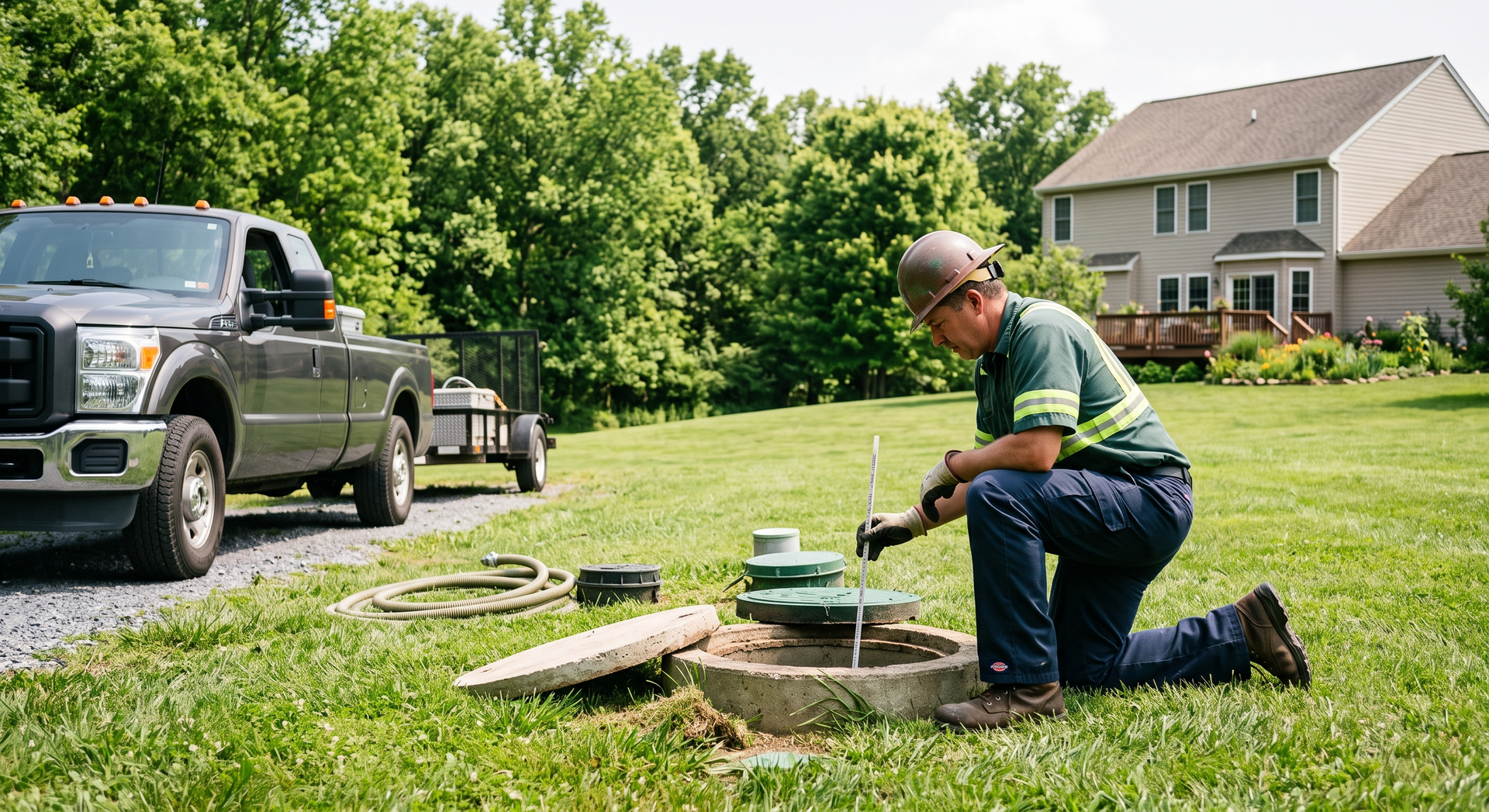
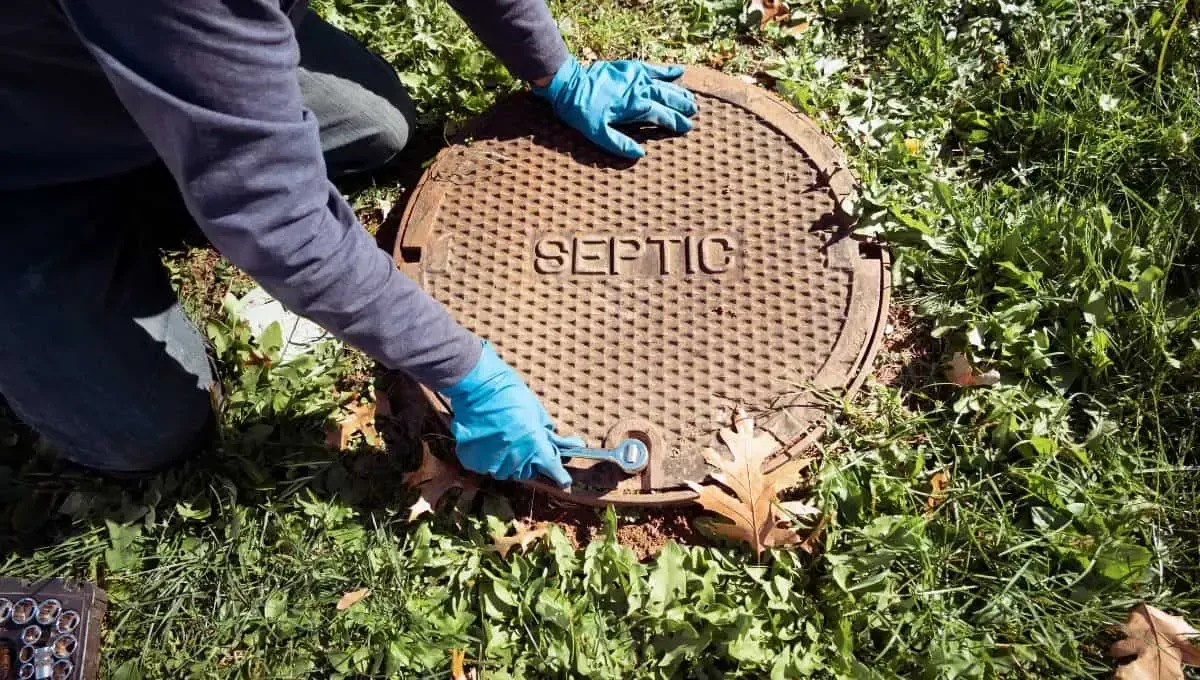
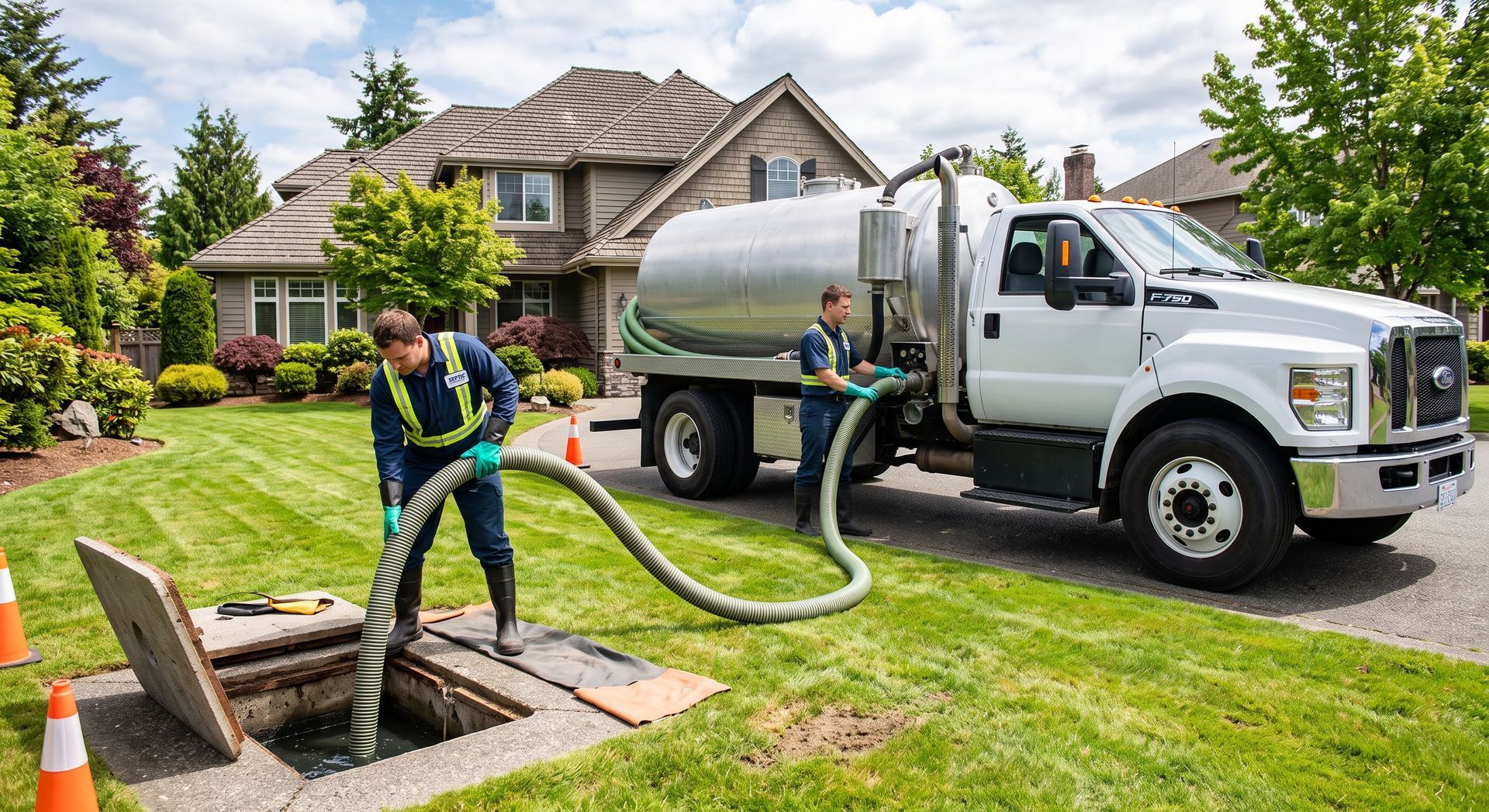
We identify the tank location and uncover access lids if needed.
Step 2: Measure Sludge and Scum Levels
This determines whether the tank needs pumping and how well it’s functioning.
Step 3: Inspect Tank Condition
We check for:
- Cracks
- Leaks
- Structural damage
Step 4: Evaluate Pipes and Flow
We ensure wastewater is flowing properly into and out of the tank.
Step 5: Check the Drain Field
We look for signs of:
- Saturation
- Standing water
- Poor drainage
Step 6: Inspect Mechanical Components (Aerobic Systems)
This includes:
- Aerator function
- Pumps and floats
- Spray heads
- Alarm systems
Step 7: Provide a Detailed Report
You’ll receive a summary of findings, recommendations, and next steps.
How Much Does a Septic Inspection Cost in Texas?
Septic inspection costs vary depending on system type and depth of evaluation.
Typical price range:
- Basic inspection: $150 – $400
- Inspection with pumping: $300 – $700
Combining inspection with pumping is often the most cost-effective option.
What Can Fail a Septic Inspection?
A septic system may fail inspection if there are serious issues such as:
- Cracked or leaking tank
- Blocked or damaged pipes
- Drain field failure
- Excessive sludge buildup
- Malfunctioning aerobic components
If problems are found, repairs may be required before a home sale or continued use.
How to Prepare for a Septic Inspection
To ensure a smooth inspection process:
Before your appointment:
- Locate your septic system (if known)
- Clear access to tank lids
- Avoid heavy water usage beforehand
- Provide past service records if available
Preparation helps speed up the process and ensures accurate results.
Benefits of Regular Septic Inspections
Routine inspections offer long-term advantages.
Key benefits:
- Catch problems early
- Extend system lifespan
- Avoid emergency repairs
- Maintain property value
- Ensure compliance with regulations
Inspections are a small investment compared to the cost of system failure.
FAQs About Septic Inspections in Texas
How long does a septic inspection take?
Most inspections take 1 to 2 hours, depending on system size and condition.
Do I need to pump my tank before an inspection?
Not always, but pumping may be recommended if sludge levels are high.
Can I inspect my septic system myself?
Basic observations are possible, but a full inspection requires a licensed professional.
What happens if my system fails inspection?
You’ll receive a report outlining the issues and recommended repairs.
Are inspections required by law?
Routine inspections are required for aerobic systems. For conventional systems, inspections are strongly recommended but not always mandatory.
Schedule a Septic Inspection in Central Texas
Whether you’re buying a home, maintaining your system, or dealing with potential issues, a professional septic inspection gives you peace of mind.
Frank’s Septic & Pumping provides thorough, honest inspections across Central Texas, including Bastrop, Bryan, Brenham, Caldwell, and surrounding areas.
Call Today: (979) 830-3643
Request an Inspection: https://www.frankssepticandpumping.com/contact