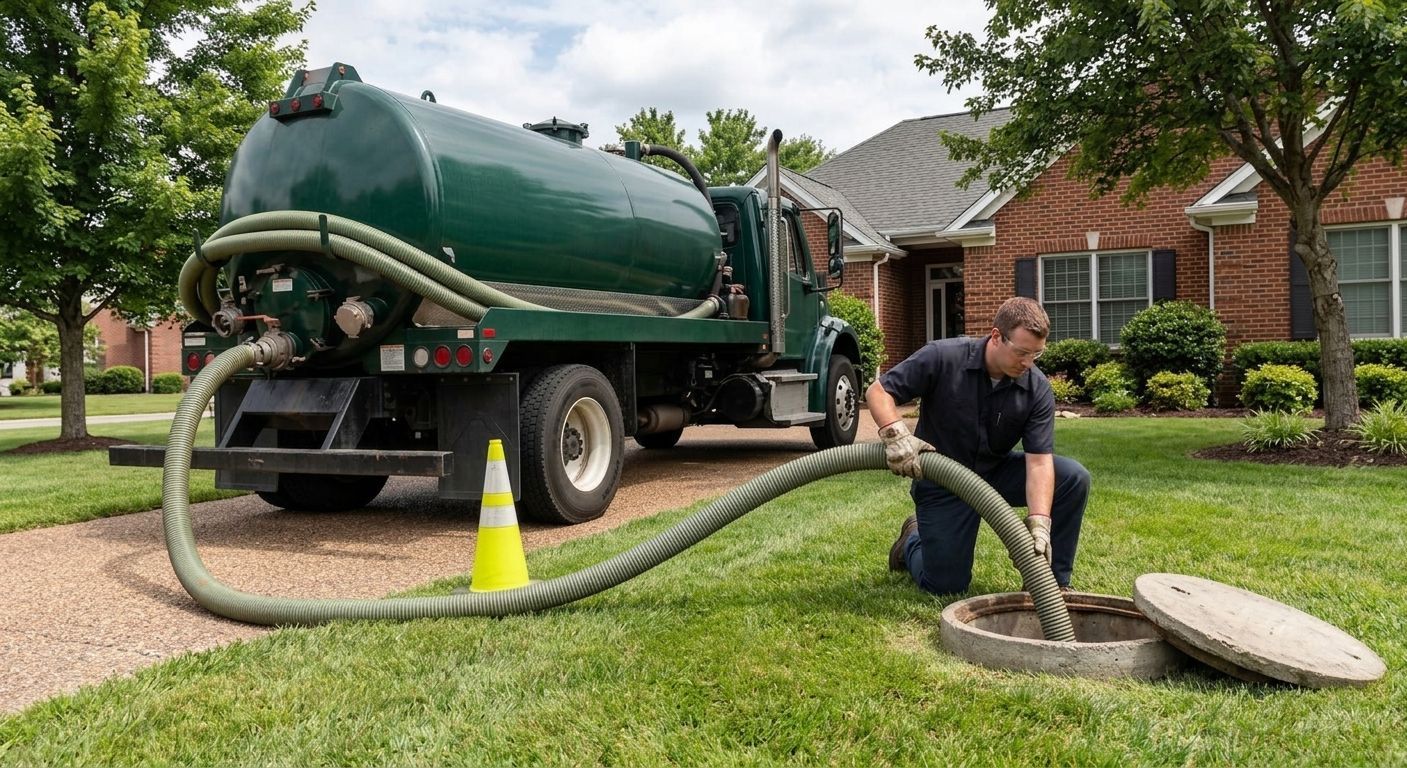
How Long Do Septic Systems Last? Lifespan by System Type

August 3, 2026
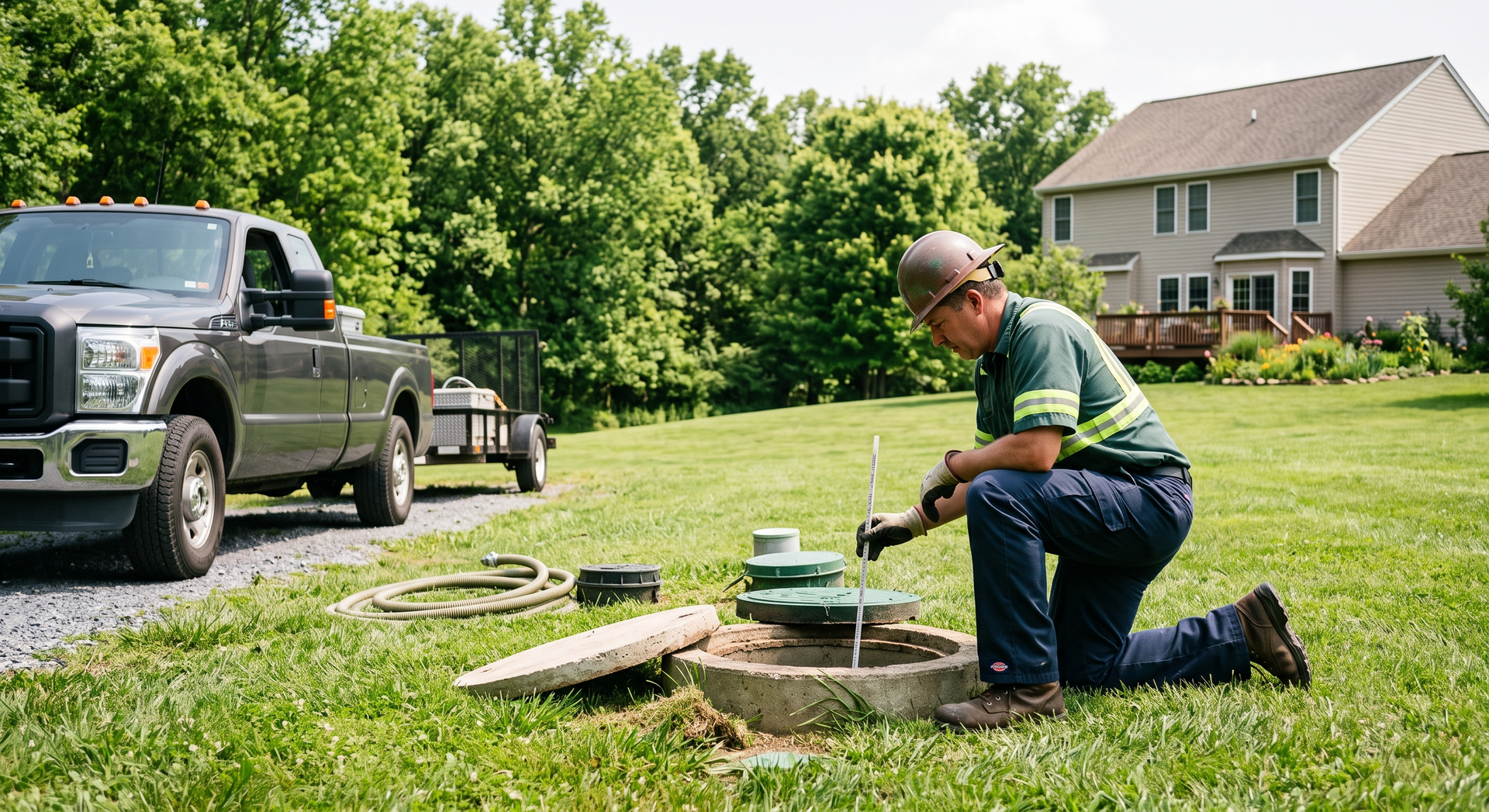
Worker kneeling by a lawn sprinkler in a green suburban yard with a pickup truck nearby

If you own a septic system — or are planning to install one — you’re probably wondering: how long will it last? The answer depends on the type of system, how well it’s maintained, and how it’s used day-to-day. On average, septic systems last anywhere from 20 to 30 years, but some fail much sooner while others last even longer with proper care.

Understanding the lifespan of your septic system helps you plan for maintenance, avoid costly surprises, and get the most value out of your investment. At Frank’s Septic & Pumping, we’ve worked on systems across Central Texas since 2008, and we’ve seen firsthand what makes systems last — and what causes them to fail early.

Average Lifespan of Septic Systems

Here’s a general breakdown of how long different septic systems last:

Conventional Septic Systems

  • Lifespan: 20 to 30 years
  • With excellent maintenance: up to 35 years

Aerobic Septic Systems

  • Lifespan: 20 to 25 years
  • Mechanical components (pumps, aerators): 5–10 years

Drain Field (Leach Field)

  • Lifespan: 15 to 25 years
  • Often the first part of the system to fail

While the tank itself can last decades, supporting components may need repair or replacement along the way.

What Determines How Long a Septic System Lasts?

Several factors directly impact your system’s lifespan.

1. Maintenance Frequency

Routine maintenance is the single biggest factor in how long your system lasts.

  • Pumping every 3–5 years prevents buildup
  • Inspections catch problems early
  • Aerobic systems require regular servicing

Neglecting maintenance can shorten your system’s life by 10 years or more.

2. Water Usage

Excessive water use can overwhelm your system.

  • Overloading pushes solids into the drain field
  • High usage reduces treatment time
  • Constant stress leads to premature failure

Efficient water use helps your system last longer.

3. What You Flush

Flushing the wrong materials is one of the fastest ways to damage your system.

Items like wipes, grease, and chemicals can:

  • Clog pipes
  • Kill beneficial bacteria
  • Damage mechanical components

Smart usage habits are critical for long-term performance.

4. Soil Conditions

In Central Texas, soil plays a major role.

  • Clay soil drains poorly and stresses systems
  • Sandy soil allows better filtration
  • Poor soil often requires aerobic systems

Your system’s design must match your soil conditions to ensure longevity.

5. Installation Quality

Even the best system won’t last if it’s installed incorrectly.

Proper installation ensures:

  • Correct tank placement
  • Proper pipe alignment
  • Effective drainage

Working with an experienced installer like Frank’s Septic & Pumping helps avoid early failure.

Lifespan of Individual Septic Components

Understanding each part of your system helps you anticipate maintenance needs.

Septic Tank

  • Concrete tanks: 30–40 years
  • Poly tanks: 20–30 years

Pipes and Plumbing

  • Lifespan: 20–30 years
  • Can fail sooner if clogged or damaged

Aerator Motor (Aerobic Systems)

  • Lifespan: 5–10 years
  • Requires replacement during system lifetime

Pumps and Floats

  • Lifespan: 7–10 years
  • Critical for proper system operation

Drain Field

  • Lifespan: 15–25 years
  • Highly dependent on maintenance and usage

Signs Your Septic System Is Near the End of Its Life

Even well-maintained systems eventually wear out.

Warning signs include:

  • Frequent backups or slow drains
  • Persistent sewage odors
  • Standing water in the yard
  • Increasing need for repairs
  • System no longer responding to pumping

If you’re experiencing multiple issues, it may be time to consider replacement.

How to Extend the Life of Your Septic System

The good news is that you can significantly extend your system’s lifespan with proper care.

Stick to a Maintenance Schedule

Routine pumping and inspections prevent buildup and damage.

Use Water Efficiently

Spread out water usage and avoid overloading the system.

Avoid Flushing Harmful Items

Only flush human waste and septic-safe toilet paper.

Protect the Drain Field

Keep vehicles, structures, and heavy equipment off the area.

Maintain Aerobic Systems Properly

Follow Texas regulations for inspections and service.

When Should You Replace a Septic System?

Replacement is necessary when:

  • The drain field has failed
  • The tank is cracked or leaking
  • Repairs are no longer cost-effective
  • The system no longer meets current regulations

In many cases, upgrading to an aerobic system may be required based on local codes.

Cost of Septic System Replacement in Texas

Replacement costs are similar to new installation:

  • Conventional system: $6,000 – $9,000
  • Aerobic system: $10,000 – $14,000+

While replacement is a major investment, proper maintenance can delay this cost for many years.

FAQs About Septic System Lifespan

Can a septic system last 40 years?

Yes, especially concrete tanks, but only with excellent maintenance and ideal conditions.

What fails first in a septic system?

The drain field is often the first component to fail, followed by mechanical parts in aerobic systems.

How do I know how old my system is?

Check property records, permits, or past service documentation.

Can I extend the life of an older system?

Yes, with proper maintenance and reduced usage, you can extend its lifespan.

Is it better to repair or replace?

If repair costs are high or problems are frequent, replacement may be more cost-effective.

Protect Your Investment With Proper Septic Care

Your septic system is one of the most important systems in your home. Understanding its lifespan — and how to extend it — can save you thousands in repairs and replacement costs.

If you’re unsure about your system’s condition or age, Frank’s Septic & Pumping can help with inspections, maintenance, and honest recommendations.

Schedule Septic Service in Central Texas

Whether your system is new or decades old, regular care makes all the difference. Frank’s Septic & Pumping provides expert service across Central Texas to keep your system running strong.

Call Today: (979) 830-3643
Request Service: https://www.frankssepticandpumping.com/contact

Serving Bastrop, Bryan, Brenham, Caldwell, Taylor, and surrounding areas

Recent Posts

Man kneels beside an open utility hole in a yard, working with pipes and debris near a brick house.
July 17, 2026
Need a septic inspection in Texas? Learn when inspections are required, what’s included, and how to prepare your system before your visit. Contact us today!
Three circular concrete utility covers on a grassy lawn near a path
July 2, 2026
Protect your septic system by avoiding these 15 common items. Learn what not to flush and how to prevent costly septic damage with simple maintenance tips.
Worker opening a round utility manhole cover in grass with blue gloves and tools
June 17, 2026
Learn how to maintain your septic system in Texas. Prevent costly repairs with expert tips, schedules, and maintenance best practices today. Save money! Call now!
Firefighters working beside a white tanker truck at a house fire on a suburban street at dusk
June 2, 2026
Septic emergency in Central Texas? Learn what to do fast and when to call for emergency septic service to prevent major damage big repairs, and system failure today.
Worker standing in a deep excavation beside black tank and turquoise PVC pipes under a house foundation
May 18, 2026
Discover septic system installation costs in Texas. Compare aerobic and conventional systems, pricing factors, and what homeowners should expect before installation.
Concrete septic tanks with green and yellow lids installed in a dirt trench.
April 27, 2026
Alarm sounding on your aerobic septic system? Learn what it means, what to check, and when to call a professional in Central Texas to prevent costly damage.
A technician in a mask and work clothes inspects an open, murky concrete septic tank in a residential backyard.
April 10, 2026
Dealing with a septic backup? Discover the top 5 causes of septic system backups and how to prevent them with proper maintenance and care tips. Stay proactive now!!!
A flooded yard with a dark, circular septic tank access cover visible in the muddy water near a residential house.
March 25, 2026
Noticing slow drains or bad odors? Discover 7 warning signs your septic system may be failing—and what steps to take before it turns into a costly repair..
Split-view graphic comparing a traditional septic system with a drain field to an aerobic treatment system with irrigation.
March 10, 2026
Choosing between aerobic and conventional septic systems? Compare the pros, cons, costs, and maintenance requirements to make the best choice for your property.
Person wearing gloves and work boots emptying a septic tank with a large hose.
February 23, 2026
Wondering how often to pump your septic tank in Texas? Learn the right schedule based on household usage, system type, and local regulations to avoid costly issues.
Show More